
If you’ve ever looked up at a commercial building and wondered, “what is the most common type of commercial roof?” — you’re asking a good question. Commercial roofing isn’t one-size-fits-all, but there’s definitely one type that’s used more than any other across warehouses, retail spaces, schools, and office buildings.
Let’s dig into what that roofing type is, why it’s so popular, and what makes it a go-to for commercial property owners.
The Most Common Commercial Roof: TPO Roofing
The short answer to what is the most common type of commercial roof is TPO roofing, which stands for Thermoplastic Polyolefin. It’s a single-ply white membrane roof that’s installed in large sheets and heat-welded at the seams.
TPO roofing has gained huge popularity over the last couple of decades and is now used on over 40% of commercial roofs in the United States, according to the National Roofing Contractors Association.
What Makes TPO So Popular?
There’s a reason TPO roofing dominates the commercial roofing world. Actually, there are several:
1. Energy Efficiency
TPO is known for its bright white reflective surface, which helps reflect the sun’s rays instead of absorbing them. That means lower cooling costs for large buildings, especially in hot climates.
This energy-saving benefit can contribute to LEED credits and help meet energy-efficiency goals for businesses and property managers.
2. Affordability
Compared to some other flat roofing options like PVC or EPDM, TPO is relatively cost-effective. It provides a solid balance between durability and affordability, making it appealing for businesses that want long-term performance without breaking the bank.
3. Ease of Installation
TPO comes in wide rolls, which means fewer seams and faster installation — especially on flat or low-slope roofs. Roofers can use heat-welding tools to bond the seams tightly, reducing the risk of leaks over time.
4. Durability and Strength
TPO is resistant to:
- UV damage
- Punctures
- Chemicals
- Mold and algae growth
And with proper installation and maintenance, a TPO roof can last 20 to 30 years.
What Does a TPO Roof Look Like?
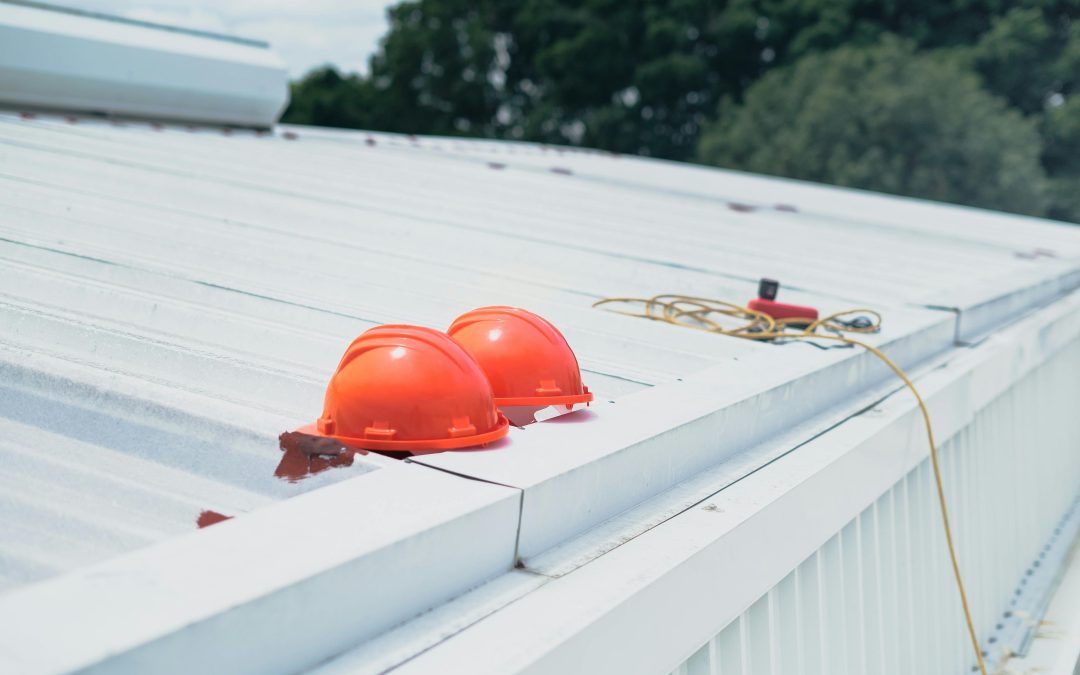
Most TPO roofs are bright white, although they also come in light gray or tan. They look clean and modern, and because they’re seamless from a distance, they offer a sleek appearance — even though they’re designed more for function than looks.
Since they’re flat or low-sloped, you typically won’t see them unless you’re on the roof itself. But that’s exactly what makes them perfect for commercial buildings where utility and efficiency matter most.
Other Common Commercial Roofing Types
While TPO is the top pick, there are other types of commercial roofs used depending on the building’s purpose, location, and budget.
EPDM (Ethylene Propylene Diene Monomer)
Also called rubber roofing, EPDM has been around for decades. It’s durable, easy to install, and black in color. It’s often chosen in cooler climates where absorbing heat is actually a benefit.
PVC (Polyvinyl Chloride)
PVC roofs are chemically similar to TPO but are more resistant to chemicals and grease, which makes them ideal for restaurants and factories. They’re tough but more expensive than TPO.
Modified Bitumen
This is a layered, asphalt-based roofing system that works well for flat roofs. It’s known for its toughness and weather resistance, but it’s heavier and requires more installation time.
Metal Roofing
Used more often on sloped commercial buildings like schools, churches, and industrial facilities. Metal roofs are extremely long-lasting and recyclable, but also one of the most expensive options.
Choosing the Right Commercial Roof
So now that you know what is the most common type of commercial roof, the next step is understanding whether it’s the right option for your specific building. Here are a few things to consider:
- Your building’s location (hot, humid, rainy, snowy?)
- Budget for upfront cost and long-term maintenance
- What’s going on inside the building (restaurant? warehouse? school?)
- Sustainability or energy goals
- Expected foot traffic on the roof (like for HVAC servicing)
TPO works for most flat commercial roofs, but your specific use case might point you toward another material. A qualified roofing contractor can help you weigh those options.
Final Thoughts: TPO Reigns Supreme
So, if someone asks what is the most common type of commercial roof, you’ve got the answer — it’s TPO roofing, hands down. It’s affordable, energy-efficient, and built to last. No wonder it’s become the default choice for flat and low-slope commercial buildings across the country.
That doesn’t mean it’s the best choice for every situation, but it’s a great starting point when exploring your roofing options. The best roof is one that fits your building, your climate, and your long-term goals.