
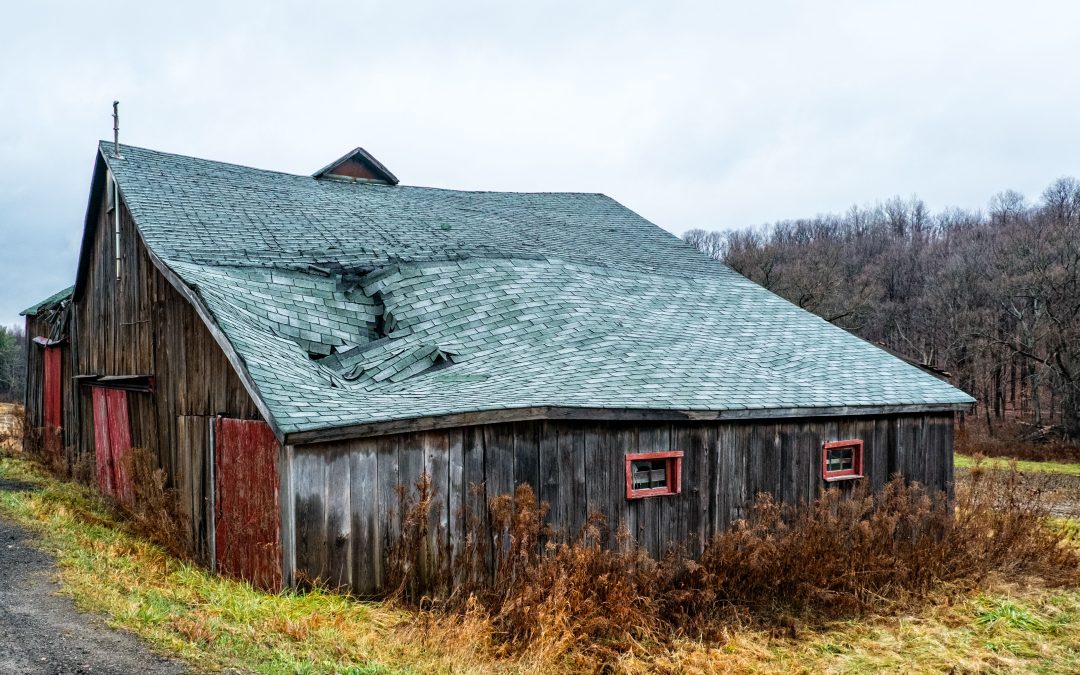
Your roof works hard every day. It shields your home from rain, wind, sunlight, snow, and changing temperatures. Yet most homeowners rarely think about their roof until a leak appears or a costly repair becomes unavoidable.
The reality is that roof problems often develop slowly over time. What starts as a minor issue can eventually turn into major structural damage if left untreated. Understanding the common causes of roof damage can help you spot warning signs early and protect one of the most important parts of your home.
According to the International Association of Certified Home Inspectors (InterNACHI), roof systems are constantly exposed to weather and environmental stress, making regular inspections and maintenance essential for long-term performance.
Let’s take a closer look at the factors that most commonly lead to roof damage and what you can do to minimize the risk.
Severe Weather Conditions
One of the most common causes of roof damage is extreme weather.
Roofs are designed to withstand the elements, but repeated exposure to harsh conditions can take a toll over time.
Weather-related threats include:
- Heavy rain
- Strong winds
- Hailstorms
- Snow and ice
- Intense sunlight
High winds can loosen shingles or even tear them away completely. Hail may crack roofing materials, while prolonged exposure to UV rays can cause shingles to dry out and deteriorate.
After severe weather events, it’s a good idea to visually inspect your roof from the ground or schedule a professional inspection.
Aging Roofing Materials
No roof lasts forever.
Even high-quality roofing systems eventually wear out due to years of exposure to the elements. Asphalt shingles, one of the most common roofing materials, typically last between 20 and 30 years depending on climate, installation quality, and maintenance.
As roofing materials age, you may notice:
- Curling shingles
- Cracked surfaces
- Granule loss
- Fading colors
- Increased leaks
Regular inspections can help identify aging-related issues before they become major problems.
Poor Installation Practices
Even the best roofing materials can fail if they are not installed correctly.
Improper installation remains one of the leading common causes of roof damage because mistakes can affect the roof’s ability to shed water and withstand weather conditions.
Examples of installation problems include:
- Incorrect shingle placement
- Improper flashing installation
- Poor ventilation setup
- Inadequate sealing
- Uneven roofing layers
A roof installed by qualified professionals is more likely to perform effectively and last as long as expected.
Clogged Gutters
Gutters play a crucial role in directing water away from your roof and foundation.
When leaves, twigs, and debris accumulate, water can no longer flow properly. Instead, it may back up onto the roof and create moisture-related issues.
Clogged gutters can contribute to:
- Water pooling
- Roof leaks
- Rotting wood
- Mold growth
- Ice dam formation in colder climates
Cleaning gutters regularly is one of the simplest ways to help protect your roof.
Tree Damage
Trees can add beauty and shade to a property, but they can also pose risks to roofing systems.
Overhanging branches may scrape roofing materials during windy conditions. Falling limbs can cause significant structural damage.
In addition, leaves and debris from nearby trees can collect on the roof and in gutters, trapping moisture and accelerating wear.
To reduce risk:
- Trim branches away from the roof
- Remove dead limbs
- Keep gutters clear
- Inspect after storms
Proper tree maintenance can go a long way toward preventing unnecessary roof damage.
Poor Roof Ventilation
Many homeowners do not realize how important attic ventilation is to roof health.
A properly ventilated attic helps regulate temperature and moisture levels throughout the year.
Without adequate ventilation, problems can develop such as:
- Excess heat buildup
- Moisture accumulation
- Mold growth
- Premature shingle deterioration
- Higher energy costs
During summer, trapped heat can cause roofing materials to age faster. During colder seasons, moisture buildup can create condensation issues that affect both the roof and attic structure.
Water Leaks and Moisture Intrusion
Water is one of the biggest threats to any roofing system.
Even small leaks can lead to extensive damage if ignored. Moisture can seep into insulation, wooden supports, ceilings, and walls.
Warning signs include:
- Water stains on ceilings
- Damp attic insulation
- Mold or mildew growth
- Peeling paint
- Musty odors
Addressing leaks quickly can prevent more expensive repairs later.
Flashing Failures
Roof flashing is the material installed around chimneys, skylights, vents, and roof valleys to direct water away from vulnerable areas.
When flashing becomes damaged or loose, water can find its way beneath roofing materials.
Common flashing problems include:
- Cracks
- Rust
- Separation from surfaces
- Improper installation
- Weather-related deterioration
Because flashing protects some of the most leak-prone areas of a roof, regular inspections are important.
Foot Traffic on the Roof
Walking on a roof may seem harmless, but unnecessary foot traffic can damage roofing materials.
Shingles can crack, loosen, or become dislodged when stepped on improperly. Some roofing systems are especially vulnerable to physical damage.
This often occurs during:
- Home maintenance projects
- Satellite installation
- Solar panel installation
- Holiday decoration setup
Whenever possible, leave roof access to trained professionals who understand how to move safely without causing damage.
Moss, Algae, and Organic Growth
In humid or shaded environments, moss and algae can develop on roofing surfaces.
While algae may primarily affect appearance, moss can be more problematic because it retains moisture against the roof.
Over time, this moisture can contribute to:
- Shingle deterioration
- Wood rot
- Surface damage
- Reduced roof lifespan
Routine cleaning and proper drainage can help prevent excessive growth.
Animal Activity
Wildlife can sometimes cause unexpected roofing problems.
Common culprits include:
- Birds
- Squirrels
- Raccoons
- Rodents
Animals may loosen shingles, damage vents, or create entry points into attics.
If you notice signs of animal activity around your roof, addressing the issue early can prevent more extensive damage.
Lack of Regular Maintenance
Perhaps the most preventable factor among the common causes of roof damage is neglect.
Many roofing issues begin as small, manageable problems. Without routine inspections and maintenance, those problems often worsen over time.
A basic maintenance routine should include:
- Annual roof inspections
- Gutter cleaning
- Tree trimming
- Leak checks
- Flashing inspections
- Attic ventilation assessments
Regular maintenance helps identify concerns before they become expensive repairs.
How to Protect Your Roof
Preventing roof damage often comes down to proactive care.
Helpful steps include:
- Schedule inspections after major storms
- Keep gutters clean year-round
- Address leaks immediately
- Replace damaged shingles promptly
- Maintain proper attic ventilation
- Trim nearby tree branches
Small maintenance tasks can significantly extend the life of your roof and reduce repair costs.
Conclusion
Understanding the common causes of roof damage can help homeowners avoid costly repairs and extend the lifespan of their roofing system. From severe weather and aging materials to clogged gutters, poor ventilation, and neglected maintenance, many roofing problems develop gradually over time.
The good news is that most issues can be identified early through regular inspections and preventive care. By staying proactive and addressing minor concerns before they grow, you can protect your home, improve safety, and preserve the value of your property for years to come.