
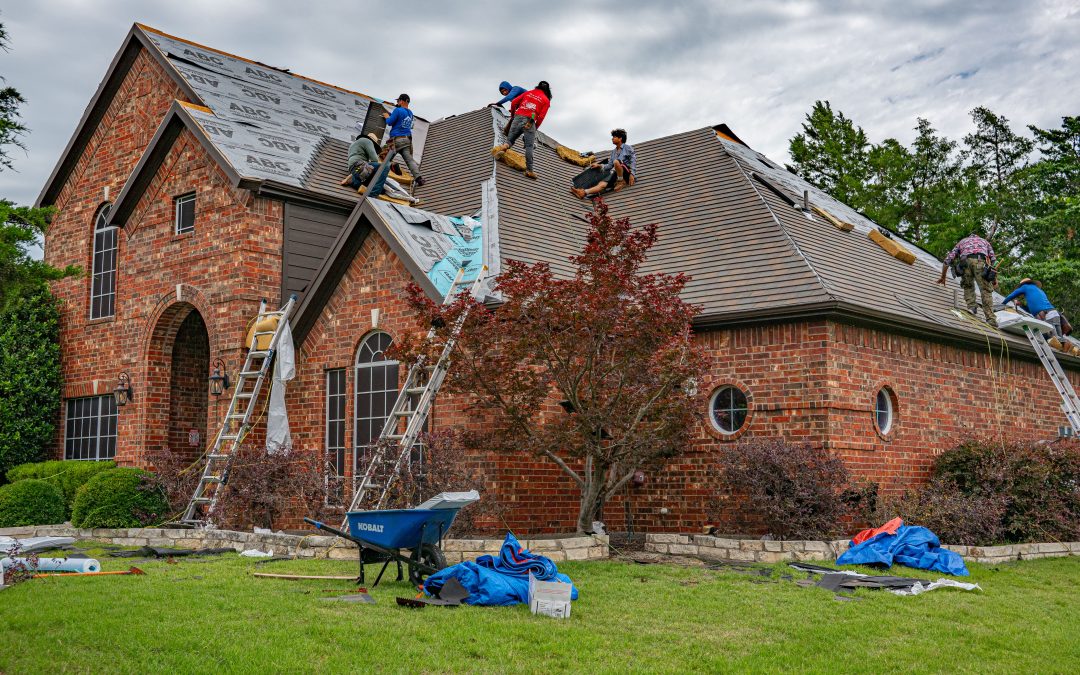
Replacing your roof is one of the biggest home improvement projects you’ll ever undertake. While the process can seem overwhelming at first, knowing what happens before, during, and after the installation can make the experience much less stressful.
If you’re wondering what to expect during a roof replacement, you’re not alone. Many homeowners are unsure how long the project will take, how noisy it will be, or what they need to do to prepare. The good news is that a reputable roofing contractor will guide you through each step and work to minimize disruption.
According to the National Roofing Contractors Association (NRCA), regular roof inspections and timely replacement when needed help protect your home from moisture damage and can extend the life of the building itself. Understanding the replacement process helps you feel more confident from start to finish.
Let’s walk through each stage so you’ll know exactly what to expect.
Why a Roof Replacement May Be Necessary
Roofs don’t last forever. Even with proper maintenance, every roofing system eventually reaches the end of its lifespan.
Some common reasons homeowners replace their roofs include:
- Missing or damaged shingles
- Frequent leaks
- Storm damage
- Sagging roof sections
- Excessive granule loss
- Roof age exceeding the expected lifespan
Replacing an aging roof before major structural damage develops often saves money in the long run.
The Initial Roof Inspection
The first step is a thorough inspection.
Your roofing contractor will evaluate:
- Roofing materials
- Flashing
- Ventilation
- Gutters
- Roof decking
- Chimneys and skylights
- Signs of water damage
After the inspection, you’ll receive recommendations, material options, and an estimate for the project.
This is also a great opportunity to ask questions about the installation process.
Choosing Roofing Materials
Several roofing materials are available depending on your budget, climate, and design preferences.
Popular choices include:
- Asphalt shingles
- Metal roofing
- Clay tiles
- Concrete tiles
- Wood shingles
- Synthetic roofing products
Asphalt shingles remain the most common residential roofing material because they offer a balance of affordability, durability, and appearance.
Preparing Your Home Before Installation
A little preparation helps the project run smoothly.
Before the crew arrives:
- Move vehicles away from the driveway.
- Remove patio furniture.
- Cover items stored in the attic.
- Take down fragile wall decorations if necessary.
- Keep children and pets indoors or away from the work area.
Roof replacement creates vibrations throughout the home, so securing delicate items is a good precaution.
The Old Roof Is Removed
One of the first major steps involves tearing off the existing roofing materials.
Crews remove:
- Old shingles
- Underlayment
- Flashing when needed
- Damaged roofing components
Large debris containers are usually placed nearby to collect discarded materials.
This stage is often the noisiest part of the project.
Roof Deck Inspection
Once the old roof has been removed, the wooden roof deck becomes visible.
Contractors inspect it carefully for:
- Rot
- Water damage
- Soft spots
- Mold
- Structural concerns
Damaged sections are repaired or replaced before the new roofing system is installed.
Skipping this step could shorten the lifespan of the new roof.
Installing Protective Underlayment
After repairs are complete, installers add protective layers beneath the roofing material.
These may include:
- Ice and water barriers
- Synthetic underlayment
- Drip edges
These components provide additional protection against moisture infiltration and help improve the roof’s overall performance.
Installing the New Roofing Material
Now comes the most visible part of the project.
Roofing materials are installed according to manufacturer specifications and local building codes.
During this stage, crews also install or replace:
- Ridge caps
- Flashing
- Roof vents
- Pipe boots
- Ventilation components
Quality workmanship during installation plays a major role in the roof’s long-term durability.
Expect Plenty of Noise
If you’re researching what to expect during a roof replacement, one thing is certain: it will be noisy.
Hammering, equipment, and workers moving across the roof create significant sound throughout the day.
If you work from home or have young children or pets sensitive to noise, you may want to arrange alternative plans during installation.
Fortunately, most residential roof replacements are completed relatively quickly.
How Long Does a Roof Replacement Take?
Project length depends on several factors.
These include:
- Roof size
- Roof complexity
- Weather conditions
- Material type
- Structural repairs
- Crew size
Many asphalt shingle roofs can be completed in one to three days, while larger or more complex projects may take longer.
Weather delays sometimes extend the schedule to ensure safe working conditions.
Cleanup Is Part of the Process
Professional roofing companies usually perform a thorough cleanup after installation.
This includes:
- Removing debris
- Sweeping for nails using magnetic tools
- Cleaning gutters
- Hauling away old roofing materials
Before leaving, many contractors also perform a final walkthrough to ensure everything meets quality standards.
Final Inspection and Warranty Information
After installation is complete, your contractor should inspect the finished roof.
You’ll typically receive information about:
- Manufacturer warranties
- Workmanship warranties
- Maintenance recommendations
- Future inspections
Keep these documents in a safe place for future reference.
Tips for a Smooth Roof Replacement
You can help your project go smoothly by following a few simple suggestions.
- Communicate regularly with your contractor.
- Ask questions before work begins.
- Monitor weather forecasts.
- Keep pets safely indoors.
- Inform neighbors about the project.
- Follow contractor recommendations after installation.
Good communication helps avoid misunderstandings and keeps everyone informed.
Life After Your New Roof
Once installation is complete, your new roof should provide years of protection with proper maintenance.
Simple maintenance includes:
- Cleaning gutters
- Removing debris
- Inspecting after major storms
- Scheduling periodic professional inspections
- Addressing minor repairs promptly
Routine care helps maximize the lifespan of your investment.
Conclusion
Knowing what to expect during a roof replacement can make the entire experience much less intimidating. From the initial inspection and material selection to tear-off, installation, cleanup, and final inspection, every stage plays an important role in protecting your home.
Although the project may involve temporary noise and minor disruptions, the result is a stronger, safer, and more reliable roof that can protect your family for many years. By working with a qualified contractor and understanding each step of the process, you’ll be well prepared for a successful roof replacement.