
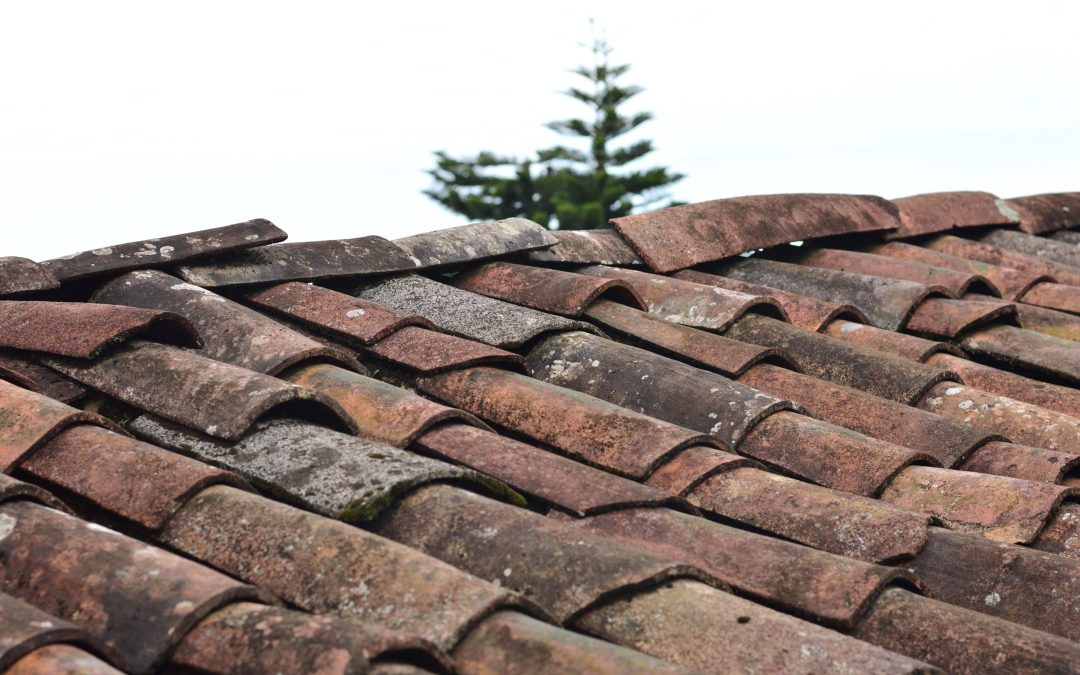
Your roof is one of the hardest-working parts of your home. It protects your family from rain, wind, snow, heat, and everything else Mother Nature throws your way. Yet, because it sits above our heads and out of sight, it’s easy to forget about it until a problem appears.
Unfortunately, waiting until a roof leak develops can lead to costly repairs and damage to your home’s structure. Knowing when to replace your roof can help you avoid unexpected expenses, improve energy efficiency, and maintain your property’s value.
Many homeowners struggle to determine whether their roof simply needs repairs or if it’s time for a complete replacement. The good news is that there are several warning signs that can help you make an informed decision.
In this guide, we’ll cover the most common indicators that a roof may be nearing the end of its lifespan and explain what homeowners should watch for before serious problems occur.
Why Roof Maintenance Matters
A roof does much more than keep water out of your home.
It also helps:
- Protect structural components
- Improve energy efficiency
- Prevent mold growth
- Support indoor comfort
- Preserve property value
According to the National Association of Home Builders, asphalt shingle roofs often last between 20 and 30 years, depending on climate, installation quality, and maintenance.
Regular inspections can help homeowners identify issues before they become major concerns.
Consider the Age of Your Roof
One of the first factors to evaluate when determining when to replace your roof is its age.
Different roofing materials have different expected lifespans.
Common examples include:
- Asphalt shingles: 20 to 30 years
- Metal roofing: 40 to 70 years
- Clay tiles: 50 years or more
- Slate roofing: Often 75 years or longer
If your roof is approaching or exceeding its expected lifespan, it may be time to schedule a professional inspection.
Even if no major leaks are present, aging materials can become increasingly vulnerable to damage.
Missing or Damaged Shingles
Shingles serve as the roof’s primary protective layer.
When shingles begin to fail, water infiltration becomes more likely.
Watch for:
- Missing shingles
- Cracked shingles
- Curling edges
- Buckling surfaces
- Broken sections
A few damaged shingles may only require repairs.
However, widespread deterioration often indicates that replacement may be the more practical long-term solution.
Curling and Buckling Are Common Warning Signs
As shingles age, they often begin to curl or buckle.
Curling occurs when shingle edges lift upward, while buckling creates visible distortions across the roof surface.
These issues may result from:
- Weather exposure
- Poor ventilation
- Aging materials
- Moisture problems
When large sections of a roof show these symptoms, the roof may no longer provide reliable protection.
This is one of the most common indicators of when to replace your roof.
Granules in the Gutters
Asphalt shingles contain protective granules that help shield them from ultraviolet rays and weather damage.
Over time, these granules naturally wear away.
If you notice excessive granules accumulating in gutters or downspouts, your shingles may be reaching the end of their useful life.
Granule loss often leaves shingles more vulnerable to sun exposure and deterioration.
This issue is especially common in older roofs.
Roof Leaks and Water Damage
A leaking roof should never be ignored.
Signs of water intrusion may include:
- Ceiling stains
- Water spots on walls
- Damp insulation
- Mold growth
- Dripping water during storms
While isolated leaks can sometimes be repaired, repeated leaks often signal more extensive roofing problems.
Understanding when to replace your roof becomes especially important if leaks continue despite previous repairs.
Sagging Roof Areas Require Immediate Attention
A sagging roof is a serious structural concern.
Potential causes include:
- Water damage
- Rotting decking
- Structural deterioration
- Excessive weight loads
If you notice sagging sections, contact a qualified roofing professional as soon as possible.
This issue may indicate significant underlying damage that requires prompt evaluation.
Daylight Visible in the Attic
A simple attic inspection can reveal important information about your roof’s condition.
Look for:
- Visible sunlight entering through the roof
- Water stains
- Moisture buildup
- Drafts
If daylight can pass through the roofing system, water often can as well.
Small openings can quickly become larger problems if left unaddressed.
Moss, Algae, and Excessive Growth
Moss and algae are common in humid climates.
While light growth may be mostly cosmetic, excessive moss can trap moisture against roofing materials.
Over time, trapped moisture may accelerate deterioration.
If large portions of your roof are covered with moss and underlying damage is present, replacement may become necessary.
Regular cleaning and maintenance can help prevent these issues from becoming severe.
Increasing Energy Bills
Your roof plays a role in regulating indoor temperatures.
As roofing materials age, they may become less effective at insulating and ventilating your home.
Signs may include:
- Rising heating costs
- Increased cooling expenses
- Uneven indoor temperatures
While energy issues can have multiple causes, an aging roof may contribute to reduced efficiency.
A replacement roof often improves overall home performance.
Storm Damage Can Shorten Roof Life
Severe weather can significantly impact roofing systems.
After major storms, inspect for:
- Missing shingles
- Hail damage
- Cracked materials
- Fallen branches
- Damaged flashing
According to the Insurance Information Institute, wind and hail are among the most common causes of residential roof damage.
Even if damage appears minor, a professional inspection may uncover hidden problems.
Frequent Repairs May Cost More Than Replacement
Many homeowners attempt to extend roof life through repeated repairs.
While repairs are often appropriate for isolated issues, there comes a point when replacement becomes more cost-effective.
Consider replacement if:
- Repairs are becoming frequent
- Damage affects multiple areas
- Costs continue to increase
- Roof performance continues to decline
Investing in a new roof can provide greater long-term value and peace of mind.
Professional Inspections Provide Valuable Insight
If you’re unsure when to replace your roof, a professional roofing inspection can provide clarity.
Roofing contractors can evaluate:
- Material condition
- Structural integrity
- Ventilation performance
- Flashing condition
- Remaining lifespan
Experts often identify issues that may not be visible from the ground.
Regular inspections help homeowners make informed decisions before emergencies occur.
Benefits of Replacing an Aging Roof
A new roof offers several potential advantages:
- Improved weather protection
- Better energy efficiency
- Enhanced curb appeal
- Increased property value
- Reduced maintenance needs
For homeowners planning to stay in their homes long-term, roof replacement can be a valuable investment.
It also helps reassure prospective buyers if the property is eventually placed on the market.
Conclusion
Knowing when to replace your roof can help prevent costly damage and maintain the safety, comfort, and value of your home. Warning signs such as aging shingles, recurring leaks, granule loss, sagging areas, and storm damage should never be ignored.
While some roofing issues can be addressed with repairs, extensive deterioration often signals that replacement is the better long-term solution. Regular inspections and proactive maintenance allow homeowners to identify problems early and make informed decisions.
A roof may not be the most visible part of daily life, but it plays a critical role in protecting everything beneath it. Paying attention to its condition today can help you avoid major headaches tomorrow.