
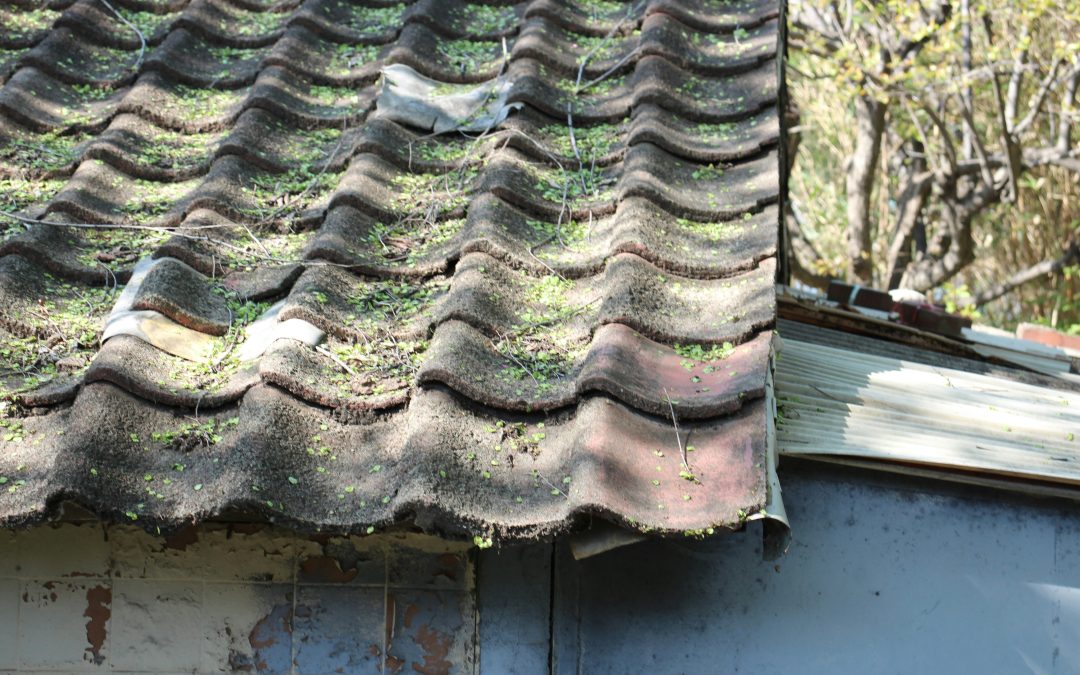
Replacing a roof is one of the biggest investments a homeowner can make, and it’s not something you want to rush. Your roof protects your home, your family, and everything inside. According to HomeAdvisor, the average cost of a roof replacement in the U.S. ranges from $6,000 to $12,000, depending on materials and size. With such a major expense, it’s important to understand the things to consider when replacing a roof so you can make smart, informed decisions.
Budget and Cost Factors
One of the first things to consider when replacing a roof is your budget. Roof replacement costs vary widely depending on:
- Roof size: Larger roofs require more materials and labor.
- Material choice: Asphalt shingles are affordable, while metal, slate, or tile roofs are more expensive.
- Labor costs: These depend on your location and the complexity of the job.
- Unexpected repairs: Sometimes damage to the decking or structure is only revealed once old shingles are removed.
Getting multiple quotes from reputable contractors is a smart move. This gives you a clear picture of the price range in your area and helps you avoid being overcharged.
Roofing Materials and Longevity
Choosing the right material is another major decision. Each type of roofing comes with pros and cons:
- Asphalt shingles: Affordable and common, lasting about 20–30 years.
- Metal roofing: More expensive but highly durable, lasting 40–70 years.
- Tile or slate: Premium options with exceptional lifespans, often over 75 years, but much heavier and pricier.
The best material for you depends on your budget, climate, and how long you plan to stay in the home. For example, if you live in an area with harsh winters, metal roofing might hold up better under heavy snow than asphalt shingles.
Weather and Timing
The season and local weather conditions play a big role in roof replacement. Ideally, the work should be done in dry, mild weather. Spring and fall are often the best times since extreme heat or cold can make installation more challenging. If you live in a region with frequent storms, schedule the project before peak storm season to avoid potential delays or damage.
Ventilation and Insulation
A new roof is not just about shingles or tiles. Proper ventilation and insulation are things to consider when replacing a roof because they affect energy efficiency and comfort. Poor ventilation can lead to trapped moisture, mold growth, and higher energy bills. Adding ridge vents or upgrading attic insulation during replacement can improve airflow and keep your home cooler in the summer and warmer in the winter.
Contractor Experience and Warranty
Who installs your roof matters just as much as what material you choose. Always hire a licensed, insured, and experienced contractor. Ask for references and check reviews to ensure they have a solid reputation. Warranties are another key point. Many roofing materials come with manufacturer warranties, but workmanship warranties from contractors are equally important. A good warranty provides peace of mind and protection if something goes wrong after installation.
Eco-Friendly Options
If sustainability is important to you, consider eco-friendly roofing options. Metal roofs are often made from recycled materials, and cool roofing products reflect more sunlight, reducing energy use. Some homeowners even opt for solar shingles, which generate electricity while serving as a roof covering. While these options can cost more upfront, they may save you money in the long run and reduce your carbon footprint.
Conclusion
Replacing a roof is no small project, but planning ahead makes the process smoother and more rewarding. The most important things to consider when replacing a roof include your budget, material choice, timing, contractor experience, and the long-term benefits of energy efficiency. By weighing these factors carefully, you can make a decision that protects your home and adds value for years to come. A roof may not last forever, but a smart replacement can give you peace of mind through every season.