
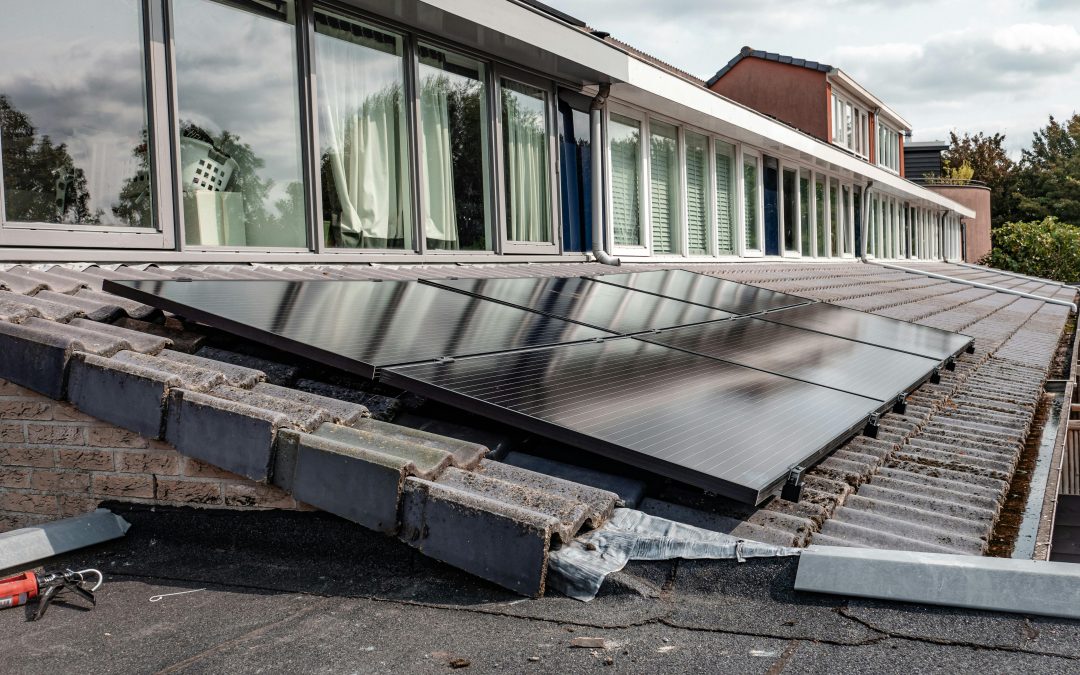
Thinking about installing solar roof panels? You’re not alone. With rising energy bills and a growing focus on sustainable living, more homeowners than ever are turning to solar. But with all the options out there—and the hefty upfront price tag—you might be wondering: Are solar roof panels really worth it?
Let’s break it down, just what you need to know about solar roof panels in 2025.
What Are Solar Roof Panels, Exactly?
Solar roof panels, also known as photovoltaic (PV) panels, are devices that convert sunlight into electricity. They’re typically installed on your rooftop and wired into your home’s power system, letting you power your lights, appliances, and devices using the sun’s energy.
Some systems also include a solar battery, which stores extra power for nighttime or cloudy days.
Why So Many Homeowners Are Going Solar
One of the biggest reasons people install solar roof panels is simple: lower energy bills.
According to the U.S. Department of Energy, the average American household saves between $10,000 and $30,000 over the lifetime of a solar energy system. Plus, in many states, you can sell extra energy back to the grid and earn credits through net metering.
Other major benefits include:
- Reduced carbon footprint (solar is 100% renewable)
- Increased home value (solar-equipped homes often sell for more)
- Incentives and tax credits (like the federal solar tax credit, which is 30% in 2025)
- Greater energy independence
And let’s be honest—there’s something satisfying about seeing your electric meter run backward.
Not All Roofs Are Created Equal
Before jumping in, it’s important to know that solar roof panels aren’t ideal for every home. Some rooftops simply aren’t set up for success—maybe they face the wrong direction, are shaded by trees, or are too old to support a panel system.
Here’s a quick checklist to see if your home might be a good candidate:
- South- or west-facing roof
- Minimal shade from nearby trees or buildings
- Roof in good condition with 10+ years of life left
- Located in a sunny region or state with solar incentives
Even if your roof isn’t ideal, you might still be able to go solar using ground-mounted panels or a shared community solar program.
What About the Cost?
Let’s talk dollars. As of 2025, the average cost of installing solar roof panels in the U.S. is around $2.50 to $3.50 per watt. That means a standard 6 kW system will cost about $15,000 to $21,000 before incentives.
Here’s the good news:
- You can claim the 30% federal solar tax credit
- Many states offer rebates or performance-based incentives
- Some companies offer solar leases or power purchase agreements (PPAs) with little to no upfront cost
So while it’s not cheap, solar is more accessible now than ever.
Are Solar Roof Panels Easy to Maintain?
Yes—and that’s part of the appeal. Solar roof panels have no moving parts, which means there’s very little to break down or wear out. Most systems come with 25-year warranties, and they only require occasional cleaning to remove dust, leaves, or snow.
You might need an inverter replacement after 10–15 years, but overall, maintenance is low.
Real Talk: Pros and Cons
Here’s a quick breakdown of what to love—and what to think about—when it comes to solar roof panels.
Pros:
- Slash your energy bills
- Eco-friendly and renewable
- Long-term return on investment
- Boost your home’s resale value
Cons:
- High upfront costs (if not using financing)
- May not work well on shaded or complex roofs
- Relies on good sun exposure
- Battery storage is extra (but useful)
Final Takeaway: Should You Install Solar Roof Panels?
If you own your home, get decent sunlight, and plan to stay put for the next 5–10 years, installing solar roof panels could be one of the smartest upgrades you’ll make. The long-term savings, environmental impact, and added value to your home make it a win for many homeowners.
Just make sure you get quotes from multiple installers, check your roof condition, and take advantage of every tax credit and rebate you can find.
Got a question about solar roof panels or want help comparing options? Let’s chat—drop your thoughts below or share this article with someone thinking about making the switch to solar.