
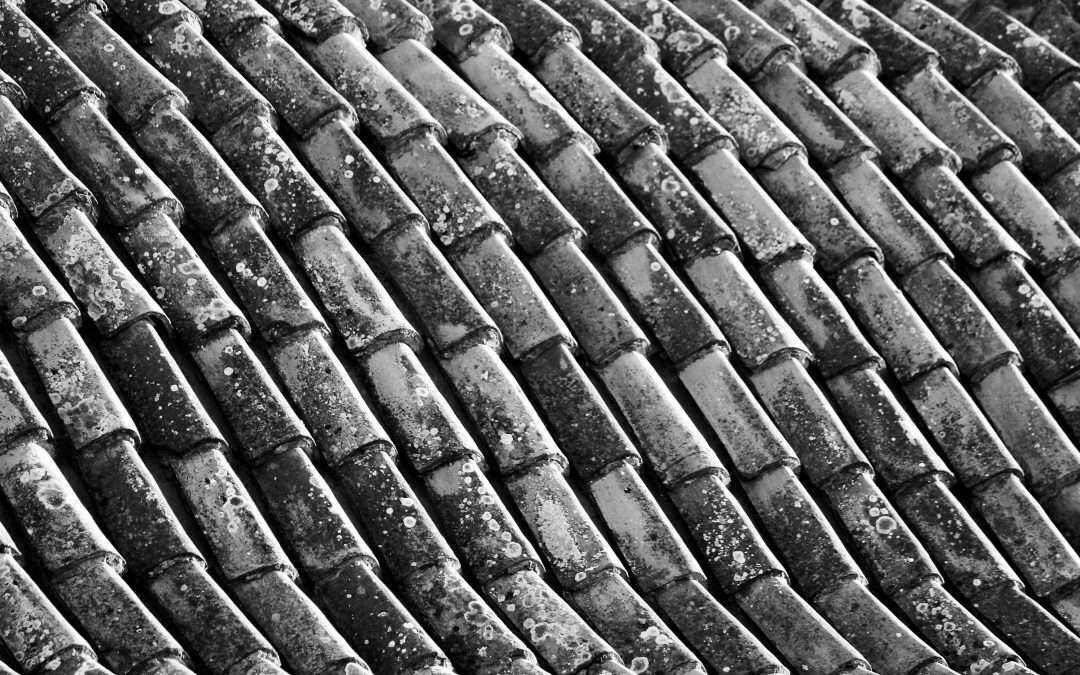
Thinking about a slate roof? You’re not alone. Slate roofing is known for its timeless beauty and impressive lifespan, which is why so many homeowners consider it when upgrading their roof. But like any major decision, it comes with trade-offs. That’s where understanding the slate roofing pros and cons can help you make an informed choice.
Whether you love the classic look or want a roof that can outlive your mortgage, slate has a lot to offer—but it’s not for everyone.
What Is Slate Roofing?
Slate roofing is made from natural stone—fine-grained, metamorphic rock formed over millions of years. These stones are hand-split into thin tiles and laid on rooftops in overlapping rows, creating an elegant and durable surface.
It’s one of the oldest roofing materials around and still used today for luxury homes, historic buildings, and high-end architecture. But should your house have one?
Let’s break down the slate roofing pros and cons to see if it fits your needs.
The Pros of Slate Roofing
1. Incredible Durability
One of the biggest pros of slate roofing is its longevity. A properly installed slate roof can last 75 to 100 years, or even longer. Some churches and universities still have functioning slate roofs from the 1800s.
In fact, according to the National Park Service, slate roofs can last up to 150 years with proper care. That’s multiple generations of protection from just one roof.
2. Stunning Aesthetic Appeal
Slate offers a natural, upscale look that’s hard to match. Its classic appearance works beautifully with colonial, Tudor, or modern farmhouse styles. Plus, it comes in a variety of colors like gray, green, purple, and black—each with its own texture and grain pattern.
3. Fire and Weather Resistance
Slate is a rock, which means it’s naturally fire-resistant—a major safety plus. It’s also excellent at withstanding high winds, heavy snow, and extreme temperature changes. You won’t need to worry about rot or insect damage either.
4. Eco-Friendly Choice
Slate is a natural material that doesn’t require energy-intensive manufacturing. Since it can last over a century, it creates less waste than asphalt shingles, which typically need replacement every 15–30 years.
5. Adds Long-Term Value
While it has a high upfront cost, slate can increase your home’s resale value. Potential buyers often see it as a premium feature that signals long-term investment and minimal future roof expenses.
The Cons of Slate Roofing
1. High Upfront Cost
Let’s talk dollars. Slate is one of the most expensive roofing materials on the market. Installed costs can range from $20 to $40 per square foot, depending on your location and the type of slate used.
That’s a major consideration, especially if you’re comparing it with asphalt shingles, which can cost a quarter as much.
2. Heavy Weight
Slate is heavy—really heavy. A standard slate roof can weigh between 800 to 1,500 pounds per 100 square feet. That’s several times heavier than most other materials.
Many homes need additional roof structure reinforcement before installation, which adds to both cost and labor time.
3. Difficult Installation
Installing slate isn’t a DIY project. It requires skilled, specialized contractors with experience in stone roofing. A poor installation can lead to cracked tiles, leaks, and long-term damage.
You’ll also need to be cautious when performing maintenance—walking on slate can crack it if not done correctly.
4. Limited Availability
Since slate roofing isn’t as common as asphalt or metal, it may be harder to find matching replacement tiles or qualified installers in some regions. That could mean delays or higher service costs if repairs are ever needed.
5. Fragility Under Pressure
While slate is durable under weather, it’s brittle under pressure. If a tree branch falls or someone walks carelessly on it, the tiles can crack or shatter. Repairs may require removing surrounding tiles, which adds to complexity.
Should You Choose Slate Roofing?
If you’re building or renovating your forever home and want a roof that combines beauty, durability, and low environmental impact, slate roofing is hard to beat. It’s an investment upfront, yes—but it can pay off in peace of mind, reduced replacements, and increased property value.
However, if budget is tight or your structure can’t handle the weight, you might be better off exploring lighter alternatives like synthetic slate, metal shingles, or architectural asphalt.
Final Takeaway
Slate roofing offers a unique blend of elegance and endurance, but it’s not a one-size-fits-all solution. Now that you know the slate roofing pros and cons, you can decide whether this premium material is the right fit for your home and your future.
If you’re still on the fence, talk to a certified roofer who specializes in slate—they can assess your home’s structure and provide a cost-benefit comparison based on your goals.