
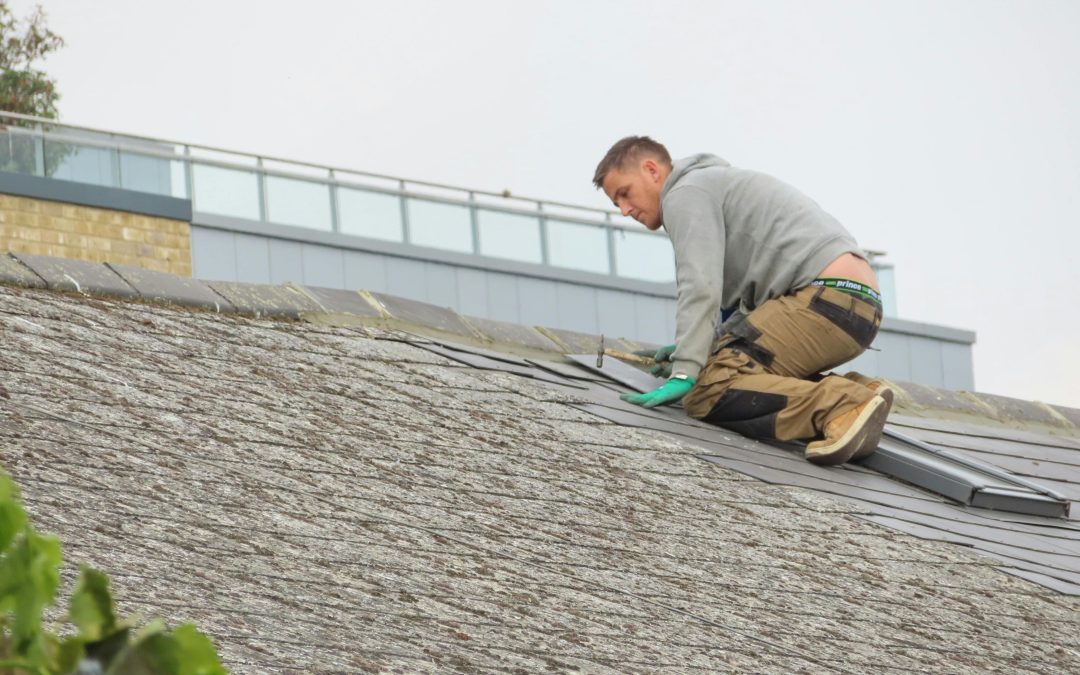
Imagine waking up after a stormy night, stepping outside with your morning coffee—and spotting shingles scattered across your yard. Not exactly the relaxing start to your day, right? If you’ve ever dealt with roofing shingles blown off in the wind, you’re definitely not alone. It’s a common problem that can cause big headaches if left unchecked.
Let’s break down why it happens, what you should do about it, and how to prevent it in the future.
Why Do Shingles Blow Off in the First Place?
Shingles are designed to take a beating from the elements, but even the best materials have their limits. Wind, especially strong gusts or storms, can lift shingles and send them flying.
Here are a few common reasons shingles don’t stay put:
- Age and wear: Older shingles can become brittle, making it easier for wind to lift them.
- Improper installation: If nails are placed too high or not enough adhesive was used, shingles may not be fully secured.
- Low-quality materials: Cheaper shingles might save money upfront but often don’t stand up to high winds.
- Wind speeds exceeding ratings: Most asphalt shingles are rated for winds between 60–130 mph, but extreme storms can surpass that.
👉 Fun fact: According to the Insurance Institute for Business & Home Safety (IBHS), “improperly installed shingles are the number one cause of wind damage on roofs.” That’s why good installation matters just as much as the shingles themselves.
What Should You Do Right After a Windstorm?
First, don’t panic. A few missing shingles doesn’t automatically mean a complete roof replacement is needed—but you do want to act quickly.
Here’s what to do:
- Inspect the damage (safely)
Walk around your property and look for shingles on the ground, exposed roof areas, or debris. Use binoculars if you want a closer look from the ground. - Check for interior leaks
Head to your attic or top-floor ceilings. If you see water stains or moisture, that’s a sign the roof damage may already be letting in water. - Document everything
Take photos of missing shingles, debris, and any interior damage. This will be useful for both contractors and insurance claims. - Cover exposed areas
Use a tarp or heavy-duty plastic sheeting to temporarily protect your roof if you can do so safely. - Contact a professional
It’s worth having a roofing expert take a look, even if the damage seems minor. They’ll assess whether shingles can be replaced or if bigger repairs are needed.
Can You Just Replace the Blown-Off Shingles?
In many cases, yes. If the underlying roof structure is intact and you have extra shingles that match your roof, a small patch job might be all you need.
But be cautious:
- If you’ve lost shingles from multiple areas, or if your roof is already aging, repairs might not hold up long.
- Color matching can be tricky, especially if your roof is more than 5 years old.
- DIY repairs can void your roof warranty—always check first.
If you’re not sure, a quick inspection from a licensed roofer can help you make the right call.
How to Prevent Shingles From Blowing Off Again
Nobody wants to deal with repeat roof drama. Here are a few ways to lower your risk next time the wind picks up:
- Choose high-wind-rated shingles
Some shingles are built for wind speeds up to 130+ mph. Look for ASTM D3161 Class F or D7158 Class H ratings. - Prioritize professional installation
Proper nailing, sealing, and alignment are crucial. Even great shingles won’t hold if they’re installed wrong. - Regular roof maintenance
Small issues like cracked or curling shingles can make it easier for wind to sneak underneath. Annual inspections help catch problems early. - Trim nearby trees
Overhanging branches can break and fall on your roof during windstorms, damaging shingles and increasing risk.
Final Thoughts: Don’t Ignore Missing Shingles
Having roofing shingles blown off in the wind might seem like a small issue, but ignoring it can lead to water leaks, mold, and bigger repair bills down the line.
Whether it’s just a handful of shingles or something more serious, acting fast makes all the difference. A little attention now can save you a lot of stress (and money) later.
And hey—if you’re not sure what to look for or how to fix it, there’s no shame in calling in a pro. Roofs are one thing worth getting right.