
If you have ever lived through a heavy storm, hailstorm, or intense heatwave, you already know one thing. Your roof takes the hit first. It is your home’s first line of defense, and when extreme weather strikes, not all roofing materials perform the same.
Choosing the right roof is not just about looks or budget. It is about protection, durability, and peace of mind when weather conditions turn severe. That is why understanding roofing materials that survive extreme weather is so important for homeowners today.
Let’s break down what actually holds up when nature gets rough and what you should consider before making a decision.
Why Roof Material Matters More Than You Think
Your roof does more than cover your home. It protects everything inside it. From strong winds to heavy rain and intense sunlight, your roof is constantly exposed to stress.
According to the Insurance Institute for Business & Home Safety, wind speeds during hurricanes can exceed 150 miles per hour in extreme cases, which puts enormous pressure on roofing systems.
That means weak or outdated roofing materials can fail quickly, leading to costly repairs or even structural damage.
This is why choosing roofing materials that survive extreme weather is not just smart, it is essential.
Metal Roofing: A Strong All-Round Performer
Metal roofing is one of the most reliable options for extreme weather conditions.
It performs well against:
- High winds
- Heavy rain
- Snow accumulation
- Fire hazards
Metal roofs are often made from steel, aluminum, or copper. They are lightweight but incredibly strong, which helps them resist damage during storms.
Another advantage is longevity. Many metal roofs can last 40 to 70 years with proper maintenance.
This makes metal one of the top choices when discussing roofing materials that survive extreme weather.
Asphalt Shingles With Impact Resistance
Asphalt shingles are one of the most common roofing materials in residential homes. While standard shingles may not be ideal for extreme conditions, impact-resistant versions are much stronger.
These upgraded shingles are designed to withstand:
- Hail damage
- Strong winds
- Temperature changes
They are often rated using impact resistance classes, with higher ratings offering better protection.
For homeowners who want affordability with improved durability, this option is worth considering.
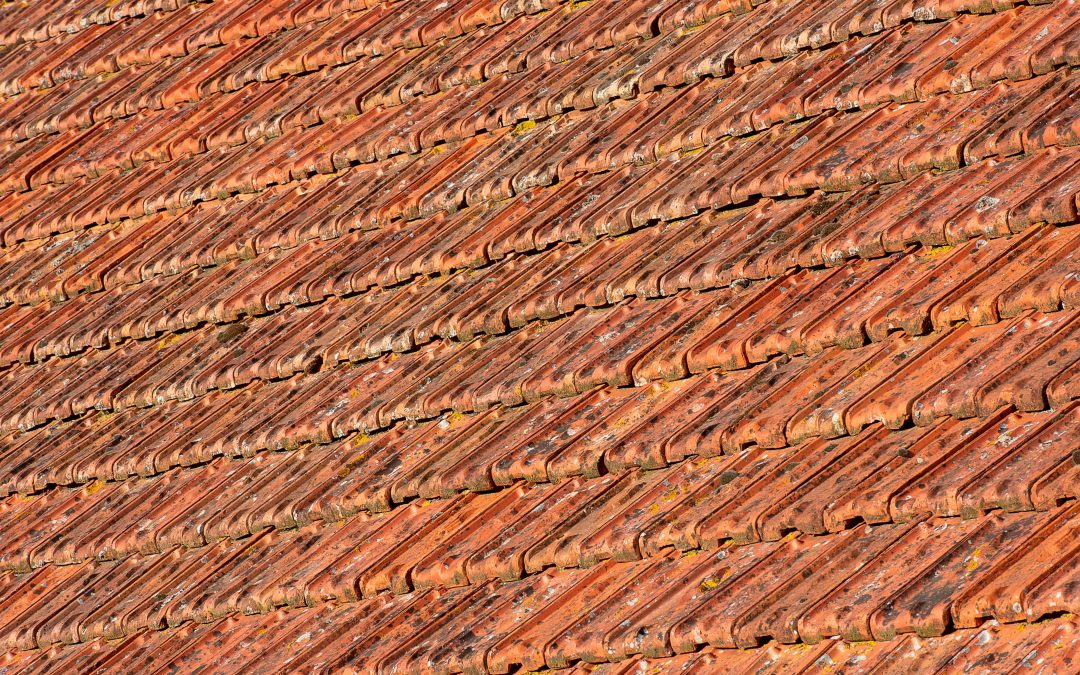
Clay and Concrete Tiles for Heat and Wind
Clay and concrete tiles are popular in warmer climates because they handle heat extremely well.
They are known for:
- Excellent fire resistance
- Strong wind resistance
- Long lifespan
These tiles are heavy, which helps them stay in place during strong winds. However, proper structural support is necessary due to their weight.
In regions with intense sunlight and occasional storms, they are a dependable option among roofing materials that survive extreme weather.
Slate Roofing: Natural Strength and Longevity
Slate is one of the most durable roofing materials available. It is made from natural stone, which gives it exceptional strength.
Benefits include:
- High resistance to wind and rain
- Fireproof qualities
- Extremely long lifespan, often over 75 years
Slate roofing is often seen on historic buildings, which speaks to its long-term durability.
While it is more expensive upfront, its lifespan often makes it cost-effective in the long run.
Synthetic Roofing Materials for Modern Protection
Advancements in technology have led to synthetic roofing materials that mimic natural options like slate or wood but with improved durability.
These materials are designed to:
- Resist impact from hail
- Withstand strong winds
- Handle UV exposure better
They are also lighter than traditional materials, making installation easier and less stressful on the structure.
For homeowners looking for innovation and strength, synthetic options are becoming increasingly popular.
Wood Shakes: Natural but Limited Protection
Wood shakes offer a natural and rustic look, but they are not the strongest option for extreme weather.
They can handle moderate conditions but may struggle with:
- Heavy moisture
- High winds
- Fire risk
However, treated wood shakes can improve resistance somewhat.
Still, they are generally not the top choice when focusing on roofing materials that survive extreme weather.
What Really Makes a Roof Weather-Resistant
It is not just about the material itself. Installation quality and maintenance also play a major role.
A strong roofing system depends on:
- Proper underlayment
- Secure fastening systems
- Good ventilation
- Regular inspections
Even the best materials can fail if they are not installed correctly.
Climate Should Guide Your Choice
Different regions face different weather challenges. That means the best roofing material for one area may not be ideal for another.
For example:
- Coastal areas need strong wind resistance
- Hot climates need heat-reflective materials
- Snow-prone regions need load-bearing strength
Understanding your local climate helps you choose more effectively.
Maintenance Still Matters
Even durable roofing materials require care.
Regular maintenance helps:
- Detect small issues early
- Prevent leaks and water damage
- Extend roof lifespan
Simple inspections after major storms can make a big difference in long-term performance.
Cost vs Long-Term Value
It is easy to focus on upfront cost when choosing a roof. But extreme weather can quickly turn a cheap roof into an expensive problem.
Investing in quality materials may cost more initially, but it often saves money over time by reducing repair and replacement needs.
That is why homeowners are increasingly prioritizing roofing materials that survive extreme weather instead of just going for the lowest price.
Final Thoughts
Your roof is one of the most important parts of your home, especially when weather conditions become unpredictable.
From metal and slate to impact-resistant shingles and modern synthetics, there are many options available depending on your needs and budget.
The key takeaway is simple. Choosing the right roofing materials that survive extreme weather can protect your home, reduce long-term costs, and give you peace of mind when storms arrive.
A strong roof is not just an upgrade. It is an investment in safety and stability.