
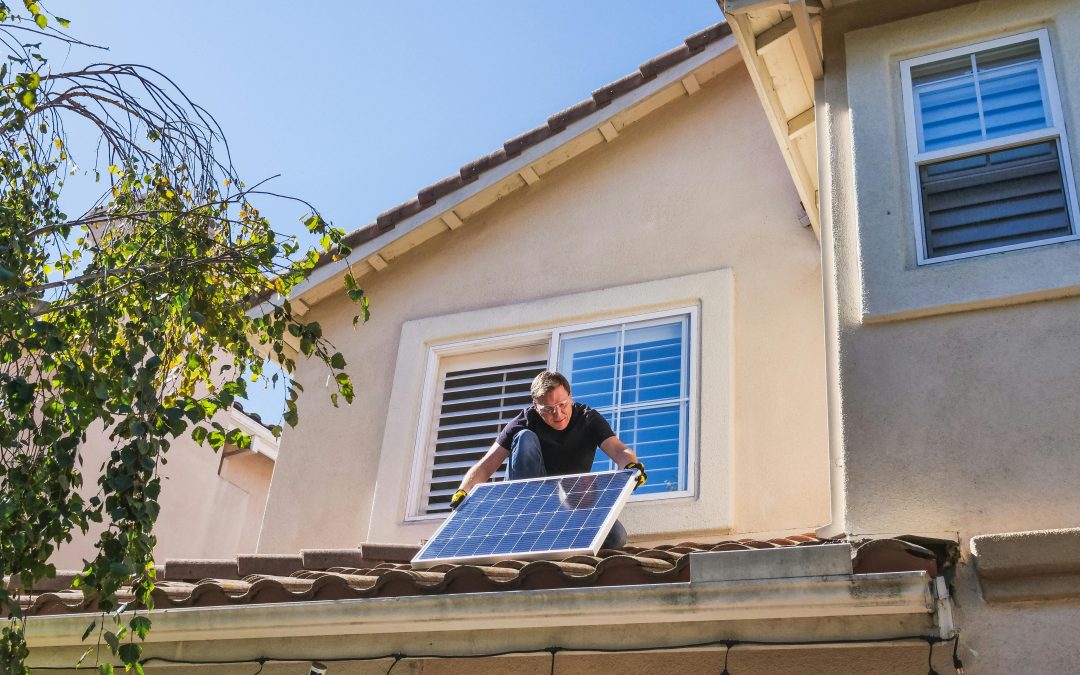
A strong, well-maintained roof is essential for protecting your home from the elements. Using a Roofing inspection checklist helps you identify potential problems early, avoid costly repairs, and extend the life of your roof. Whether you are a homeowner preparing for seasonal changes or buying a new property, a comprehensive inspection ensures your roof remains safe and functional.
According to the National Roofing Contractors Association, regular roof inspections can prevent up to 25 percent of costly repairs by detecting issues early. This statistic highlights the value of consistent monitoring and proactive maintenance.
Why a Roofing Inspection Checklist Is Important
A Roofing inspection checklist ensures that every critical part of your roof is evaluated. Benefits include:
- Early detection of leaks, damage, or wear
- Prevention of structural issues that can affect your home’s safety
- Increased longevity of roofing materials
- Lower repair costs through timely maintenance
Using a checklist helps you stay organized and ensures no important detail is overlooked.
Key Areas to Inspect
A thorough roofing inspection should cover the following areas:
- Shingles or Tiles: Look for cracks, curling, missing pieces, or granule loss
- Flashing: Check around chimneys, vents, and skylights for gaps or rust
- Gutters and Downspouts: Ensure proper drainage and remove debris
- Roof Valleys: Inspect for leaks or signs of wear
- Roof Deck and Underlayment: Look for signs of water damage or rot
- Attic: Check insulation and look for water stains or mold
Carefully examining each component helps identify issues that could lead to leaks or structural damage.
Frequency of Inspections
Regular inspections keep your roof in optimal condition:
- Biannual Inspections: Spring and fall inspections help prepare for extreme weather
- After Severe Weather: Storms, heavy snow, or high winds can cause hidden damage
- Before Buying or Selling: Ensures the roof is safe and avoids future liability
Routine inspections reduce unexpected problems and provide peace of mind.
Tools and Safety Equipment
Proper tools and safety measures are essential for effective roof inspections:
- Ladder with stable footing
- Safety harness and ropes for steep or high roofs
- Flashlight for attics and shaded areas
- Moisture meter to detect hidden water damage
- Binoculars for visual inspection from the ground
Safety should always be a priority to prevent accidents during inspections.
Common Issues to Look For
Understanding common roofing problems helps you act quickly:
- Leaks and Water Damage: Often indicated by stains, mold, or soft spots
- Cracked or Missing Shingles: Reduce protection and can lead to leaks
- Clogged or Damaged Gutters: Cause water pooling and roof deterioration
- Granule Loss on Asphalt Shingles: Indicates aging or storm damage
- Sagging Roof Sections: Suggest structural concerns that need immediate attention
Documenting findings allows you to track problems and schedule repairs promptly.
Hiring a Professional vs DIY Inspection
While homeowners can handle basic inspections, some situations require professional expertise:
DIY inspections are suitable for:
- Visual checks of shingles, gutters, and general condition
- Routine maintenance between professional inspections
Professional inspections are recommended for:
- Roofs with steep pitches or difficult access
- Signs of significant damage or leaks
- Pre-purchase evaluations
Professional inspectors use specialized equipment and can provide detailed reports for insurance or repair purposes.
Maintenance Tips After Inspection
Following a Roofing inspection checklist, maintenance actions include:
- Cleaning gutters and downspouts regularly
- Replacing damaged shingles or tiles immediately
- Sealing gaps around flashing and vents
- Trimming overhanging tree branches to prevent damage
- Scheduling annual professional inspections for comprehensive evaluation
Timely maintenance prevents minor issues from becoming major problems.
Seasonal Considerations
Different seasons require specific attention for roof health:
- Spring: Check for winter damage and prepare for rain
- Summer: Inspect for heat-related wear and keep gutters clear
- Fall: Remove leaves and prepare for snow or ice
- Winter: Monitor for ice dams and inspect after storms
Adapting inspections and maintenance by season ensures year-round protection.
Final Takeaway on Roofing Inspection Checklist
Using a Roofing inspection checklist is essential for maintaining a safe, durable, and long-lasting roof. Regular inspections, proper maintenance, and timely repairs prevent costly damage and protect your home. Whether you perform basic checks yourself or hire a professional, staying proactive ensures your roof remains a reliable shield against the elements.