
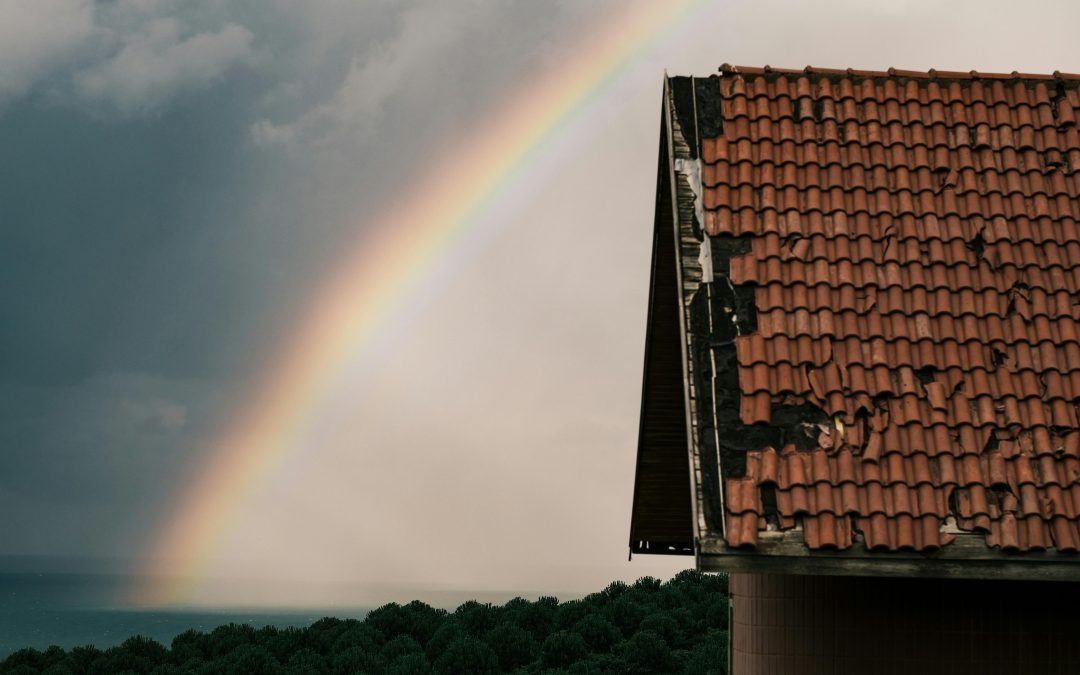
After a heavy storm passes, most people step outside, look around, and assume everything is fine if nothing obvious is broken. But your roof can tell a very different story. Damage is not always dramatic or visible from the ground, and small issues can quietly turn into expensive repairs.
Knowing the early roof damage signs after heavy storms can help you act quickly and protect your home before problems get worse. Let’s walk through what to look for and why it matters.
Why Storm Damage Is Often Missed
Storms bring a mix of wind, rain, and sometimes hail. Each of these can impact your roof in different ways. The tricky part is that damage does not always show up right away.
According to the Insurance Institute for Business and Home Safety, wind and hail are among the leading causes of residential roof damage in the United States. Even moderate storms can loosen materials or create weak spots that develop into leaks over time.
That is why a quick check after a storm is always a smart move.
Missing or Damaged Shingles
One of the most common roof damage signs after heavy storms is missing or damaged shingles. Strong winds can lift shingles or tear them off completely.
Look for:
- Bare patches where shingles are missing
- Shingles that are curled, cracked, or bent
- Pieces of shingles on the ground around your home
Even a single missing shingle can expose the underlying structure to moisture. Fixing it early is much easier than dealing with water damage later.
Granules in Gutters or Downspouts
If you notice a sandy or gritty material in your gutters, it could be shingle granules. These granules protect your roof from UV rays and help extend its lifespan.
After a storm, excess granules in gutters can signal that your shingles took a hit. Over time, losing this protective layer can weaken your roof and make it more vulnerable to future damage.
Water Stains on Ceilings or Walls
Sometimes the first signs of roof damage appear inside your home. Water stains on ceilings or walls often point to a leak.
These stains may look like:
- Yellow or brown discoloration
- Peeling paint or bubbling drywall
- Damp spots that were not there before
Leaks can start small but spread quickly. If you see any of these signs, it is worth investigating right away.
Sagging or Uneven Roof Areas
A roof should have a consistent shape. If you notice sagging or uneven sections, it could indicate structural damage.
Heavy rain can weaken support systems, especially if water has been pooling on the roof. This is one of the more serious roof damage signs after heavy storms and should be checked by a professional as soon as possible.
Damaged Flashing Around Vents and Chimneys
Flashing is the material used to seal joints and edges on your roof. It is often found around vents, chimneys, and skylights.
Storms can loosen or crack flashing, which creates an easy path for water to enter your home. Look for gaps, rust, or pieces that appear out of place.
This type of damage is easy to overlook but can lead to persistent leaks if ignored.
Debris Impact and Hidden Damage
Falling branches or debris can cause visible and hidden damage. While large impacts are obvious, smaller hits can still weaken roofing materials.
Check for:
- Dents or marks on shingles
- Broken tiles or punctures
- Debris sitting on the roof
Even if the damage looks minor, it can compromise the roof’s ability to protect your home.
Mold or Mildew Growth
Moisture from storm damage can create the perfect environment for mold and mildew. These often appear in attics or along ceilings.
A musty smell can also be a clue that something is not right. Mold is not just a structural issue. It can also affect indoor air quality, which makes it important to address quickly.
Increased Energy Bills
This one surprises many homeowners. If your energy bills suddenly go up after a storm, your roof could be part of the reason.
Damage can affect insulation and ventilation, making it harder to maintain indoor temperatures. While it is not the most obvious sign, it is still worth paying attention to.
When to Call a Professional
Some issues are easy to spot, but others require a trained eye. If you notice any of the signs mentioned above, it may be time to bring in a roofing professional.
They can perform a detailed inspection and identify problems that are not visible from the ground. This step can save you from costly repairs down the line.
Simple Steps to Protect Your Roof After a Storm
Taking action quickly can make a big difference. After a storm, consider these steps:
- Walk around your property and look for visible damage
- Check your attic for leaks or damp areas
- Clear gutters and downspouts of debris
- Document any damage with photos for insurance purposes
These small efforts can help you stay ahead of potential issues.
Conclusion: Stay Proactive to Avoid Bigger Problems
Storms are unpredictable, but your response does not have to be. By knowing the roof damage signs after heavy storms, you can catch problems early and avoid major repairs.
Your roof plays a crucial role in protecting your home. A little attention after each storm goes a long way in keeping it strong and reliable.
If something feels off, trust your instincts and take a closer look. It is always better to be safe than sorry when it comes to your home.