
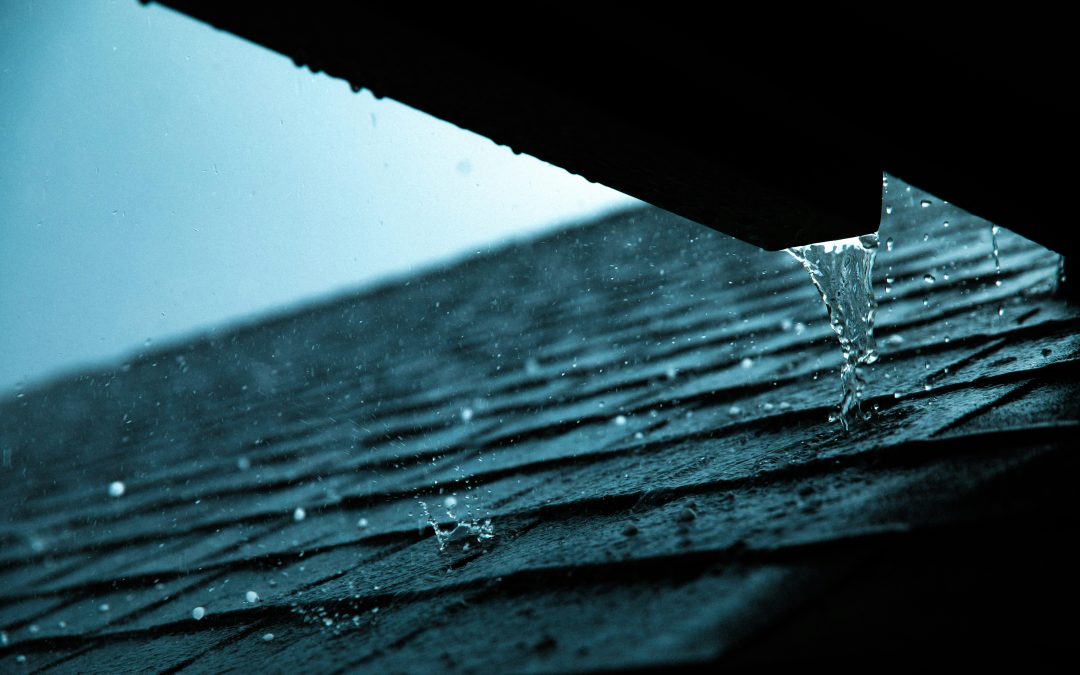
Flat roofs may look modern and sleek, but they come with a not-so-fun issue: water ponding. If you’ve ever noticed puddles sticking around on your roof hours—or even days—after it rains, you know what we’re talking about. Left untreated, these puddles can slowly damage your roof, shorten its lifespan, and even lead to leaks inside your home.
Luckily, there are solid remedies for water ponding on flat roof structures that can help you avoid costly repairs and headaches later.
Let’s break it down and explore what you can do about this common roofing issue.
Why Ponding Water Is a Problem
A little water sitting on your flat roof might not seem like a big deal at first. But over time, it adds up.
Here’s what standing water can do:
- Accelerate roof membrane deterioration
- Add extra weight and stress to your roof structure
- Increase the risk of mold, mildew, and leaks
- Create mosquito breeding spots
According to the National Roofing Contractors Association, ponding water that lasts over 48 hours is a red flag that something’s not right with your roof.
Remedy 1: Improve Roof Drainage
The most straightforward fix? Help water get off the roof faster. Flat roofs aren’t actually completely flat — they usually have a slight slope to encourage drainage. If that slope isn’t working, it’s time to check your drains.
Ways to improve drainage:
- Unclog scuppers and internal drains
- Install additional drains in low spots
- Use tapered insulation to redirect water flow
- Add gutters or downspouts if missing
Regularly inspecting and cleaning your drains is the cheapest and easiest of all remedies for water ponding on flat roof systems.
Remedy 2: Add Tapered Insulation
If your flat roof has dips or sags, that’s where water loves to collect. Tapered insulation is a clever fix. It adds a slight slope to those areas using a lightweight foam material underneath the roofing membrane.
Here’s why it works:
- Directs water toward drains
- Improves insulation value
- Extends the life of your roof
It’s a long-term investment but well worth it, especially if you’re already replacing roofing materials.
Remedy 3: Use a Roof Coating
If you’re not ready for major structural changes, a high-quality roof coating might help. These coatings are applied over the entire roof surface and can sometimes reduce minor ponding effects by creating a watertight barrier.
Benefits include:
- Seals small cracks or surface damage
- Reflects UV rays to reduce heat buildup
- Offers extra protection against standing water
Look for coatings labeled “ponding water resistant” — not all are made for this specific issue.
Remedy 4: Fix Roof Structure or Framing Issues
If your ponding is severe or getting worse, the issue might go deeper than surface drainage. Structural sagging, rotten decking, or weakened framing can cause dips in the roof.
Signs you might need a structural fix:
- Water collects in the same spot every time
- You see visible dips or depressions from below
- Interior ceiling stains match the ponding area
In these cases, a roofing professional can assess whether the decking needs to be reinforced or replaced entirely.
Remedy 5: Install a Crickets or Saddles
Crickets (also called saddles) are small, raised structures that redirect water around obstacles like chimneys or HVAC units. They’re one of the most targeted remedies for water ponding on flat roof surfaces with lots of equipment.
Why they help:
- Prevent water from pooling behind objects
- Direct runoff to drains or lower areas
- Reduce chances of water seepage around flashing
They’re often installed during roof replacement but can also be added later in key problem areas.
Bonus Tip: Keep Up with Roof Maintenance
Even the best-designed flat roof won’t do its job if you neglect it. Water ponding issues often get worse because of clogged drains, fallen debris, or unnoticed cracks.
Basic maintenance checklist:
- Clear drains, leaves, and debris regularly
- Inspect the roof after storms
- Re-seal any visible cracks or bubbling
- Document and monitor any low areas
These small efforts can save you thousands in repair costs down the line.
Final Thoughts: Don’t Wait for the Leak
Water ponding on a flat roof isn’t just annoying — it’s a warning sign. The good news is that there are practical, effective remedies for water ponding on flat roof surfaces, and many of them don’t require a complete overhaul.
Start by inspecting your drainage. If you’re still seeing water hang around, consider tapered insulation, coatings, or structural solutions depending on the severity.
And remember, flat roofs may need a little extra love, but with the right care, they can be just as reliable as any sloped roof out there.