
If you’ve ever looked up at your roof and thought, “How much longer is this thing going to hold up?”—you’re not alone. Roofs don’t last forever, but some materials definitely outlive others. That’s why knowing the lifespan of roofing materials is super helpful before you shell out thousands for a replacement.
Whether you’re building a new home, planning a remodel, or just being proactive, understanding your roofing options can save you time, money, and headaches down the road.
Why Roof Lifespan Matters
The average homeowner replaces their roof once, maybe twice, in a lifetime. It’s a major investment. So picking the right material isn’t just about looks—it’s about how long it’ll last under your specific climate conditions.
According to the National Association of Home Builders (NAHB), roofing materials can last anywhere from 15 to over 100 years, depending on the type you choose.
Let’s break it down.
Common Roofing Materials and Their Lifespans
Here’s a quick comparison of popular roofing materials and how long you can expect each one to last:
Asphalt Shingles (15–30 years)
These are the most common and budget-friendly option. Basic 3-tab shingles usually last about 15–20 years, while architectural shingles can go up to 30 years with proper maintenance.
- Pros: Affordable, easy to install
- Cons: Shorter lifespan, vulnerable to high winds and hail
Metal Roofing (40–70 years)
Metal roofs have surged in popularity, and for good reason. They’re durable, energy-efficient, and stand up well to extreme weather.
- Pros: Long-lasting, recyclable, fire-resistant
- Cons: Higher upfront cost, may dent from hail
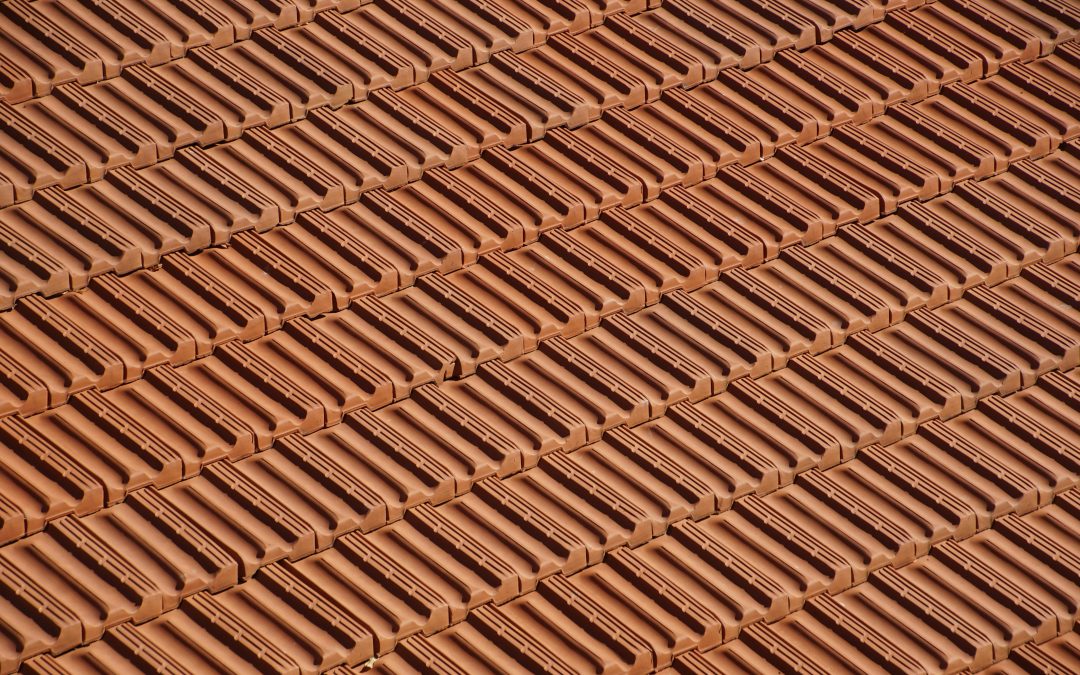
Clay or Concrete Tiles (50–100 years)
If you live in a hot or dry climate, clay or concrete tiles are excellent. They’re heavy and extremely durable, often seen in Mediterranean or Spanish-style homes.
- Pros: Long lifespan, resistant to rot and insects
- Cons: Heavy (may need extra structural support), expensive
Wood Shingles and Shakes (20–40 years)
Wood roofs give your home a warm, rustic look. Cedar is the most common choice and can last a few decades with good care.
- Pros: Attractive, good insulation value
- Cons: Prone to mold, rot, and fire unless treated
Slate Roofing (75–100+ years)
If you want a roof you’ll never have to replace in your lifetime, slate is it. It’s one of the most durable materials available.
- Pros: Extremely long-lasting, elegant
- Cons: Very heavy, expensive, harder to install
Factors That Affect Roof Lifespan
It’s not just the material that matters. Here are a few things that can make or break the longevity of your roof:
- Climate: Intense heat, heavy snow, and high winds can all wear your roof down faster.
- Maintenance: A neglected roof won’t last as long as one that’s cleaned, inspected, and repaired regularly.
- Installation quality: Even the best roofing materials will fail early if they’re poorly installed.
- Ventilation: A well-ventilated attic prevents moisture and heat buildup, both of which can shorten a roof’s life.
Tips to Extend the Lifespan of Roofing Materials
Want to make your roof last longer? Here’s what you can do:
- Clean your gutters regularly to avoid water damage
- Replace damaged or missing shingles ASAP
- Trim overhanging tree branches
- Schedule annual roof inspections (especially after storms)
- Keep your attic properly insulated and ventilated
These small steps can add years to your roof and prevent expensive surprises.
So, What’s the Best Roofing Material for You?
There’s no one-size-fits-all answer. The lifespan of roofing materials varies based on budget, climate, style, and how much maintenance you’re willing to do. If you’re staying in your home long-term, investing in metal or tile might make sense. If you’re on a tight budget or planning to sell in a few years, asphalt shingles could do the job just fine.
Final Thoughts
Your roof is one of the biggest protectors of your home, so it pays to know what you’re getting into. By understanding the lifespan of roofing materials, you can make smarter choices and avoid costly mistakes.
Whether you’re repairing or replacing, always get multiple quotes and choose a reputable contractor. And remember—routine care goes a long way, no matter what material is over your head.