
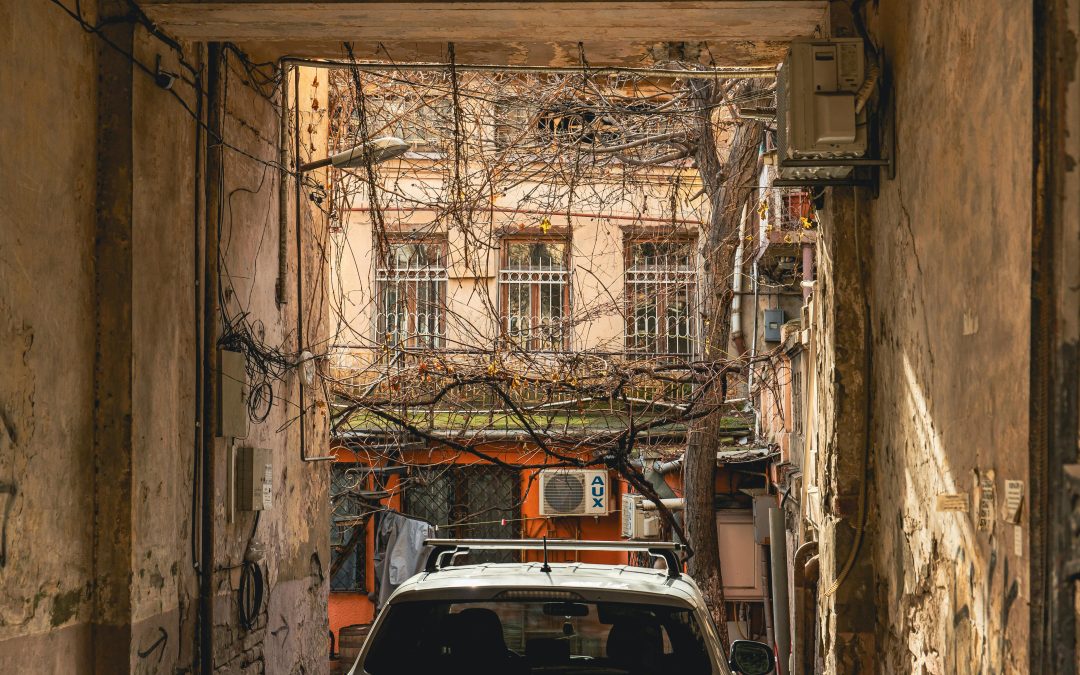
Have you ever looked up at your roof and noticed big tree branches hanging over it? At first, it might seem peaceful—shade in the summer, the gentle rustle of leaves, maybe even birds nesting nearby. But then the question hits you: is it bad to have tree branches over your house? The answer is not as simple as yes or no, but understanding the risks and benefits can help you make a smart choice for your home.
The Appeal of Having Trees Around Your Home
Trees make any property look more inviting. They provide shade that can lower your home’s cooling costs and create a natural barrier against noise and pollution. According to the U.S. Department of Energy, well-placed trees can reduce air conditioning needs by up to 30 percent. So, trees are not the problem—it is the overhanging branches that can cause trouble.
Having branches close to your home can offer short-term comfort but may also lead to long-term headaches if not managed properly.
Why Overhanging Branches Can Be a Problem
So, is it bad to have tree branches over your house? In most cases, yes, because they can cause several safety and maintenance issues. Here are the main reasons why overhanging branches can be risky:
1. Roof Damage
When branches rub against your roof, especially during windy or stormy weather, they can wear away shingles, causing leaks and weakening your roof’s structure. Over time, even small branches can strip off the protective granules from asphalt shingles, leading to water damage and mold growth.
2. Pest Problems
Tree branches act as highways for pests. Squirrels, rats, and even ants can use them to access your roof and attic. Once they are inside, they can chew through wiring and insulation. Birds can also nest in gutters, creating blockages.
3. Clogged Gutters and Drainage Issues
Falling leaves, twigs, and seeds from overhanging branches easily clog gutters. When that happens, water can overflow and damage your roof, siding, or foundation. Regular gutter cleaning helps, but the best long-term fix is trimming the branches.
4. Storm Hazards
During strong winds or heavy rain, large branches can break and fall onto your roof. According to the National Storm Damage Center, falling trees and branches cause more than $1 billion in property damage each year in the United States alone. A heavy branch can easily puncture a roof, damage windows, or injure anyone nearby.
5. Insurance Complications
If a branch falls and damages your roof, your insurance might cover repairs—but only if you have maintained your trees properly. Neglecting to trim dangerous branches could lead to denied claims, since insurers can view it as lack of maintenance.
How Close Is Too Close?
Ideally, branches should be at least 10 feet away from your roof. This distance prevents leaves from falling directly onto your roof and reduces the risk of damage. For larger trees, pruning may need to go even further to prevent roots or branches from threatening your structure.
If you are not sure how close is too close, consider getting an arborist to inspect your property. They can tell you whether a branch poses a risk or if your trees are perfectly safe where they are.
How to Handle Overhanging Tree Branches
If you are wondering is it bad to have tree branches over your house, the good news is that it can be fixed easily with proper care and pruning. Here are some steps to follow:
- Inspect Regularly – Check your trees every few months, especially before and after storms. Look for dead or cracked branches that could fall.
- Trim Safely – Trim branches away from your roof and gutters. For small branches, you can do it yourself with pruning shears or a pole saw. But for large or high branches, always hire a professional tree service to avoid accidents.
- Clean Gutters Frequently – Keep gutters free of debris to prevent water damage.
- Check Tree Health – Watch for signs of disease or decay. A weak tree is more likely to drop branches unexpectedly.
- Monitor Growth – Trees grow faster than you might think. Even if branches are safe now, they could become a problem in a year or two.
When to Call a Professional
If your tree is large, very close to your home, or showing signs of disease, it is best to call a certified arborist. They can assess the tree’s stability and decide whether pruning or removal is necessary. Trying to cut heavy branches yourself can be risky, especially if they are near power lines or your roof.
A professional can also balance the health of the tree with your home’s safety. Sometimes, removing a few key branches is all it takes to prevent future problems without harming the tree.
The Benefits of Proper Tree Maintenance
Proper trimming and care can actually extend the life of your trees while protecting your home. You get to enjoy the beauty and shade they offer without worrying about roof damage or pests. It is all about finding the right balance between nature and home safety.
A well-maintained tree not only boosts curb appeal but can also increase property value. A study published in the Journal of Forestry found that mature, healthy trees can increase a home’s value by up to 10 percent. So, taking care of your trees is truly an investment.
Final Thoughts
So, is it bad to have tree branches over your house? In short, yes—if they are too close, it can lead to roof damage, pest problems, clogged gutters, and even safety risks. However, the good news is that with regular trimming, inspections, and a little attention, you can enjoy all the benefits of having trees around your home without the downsides.
Your trees and your home can coexist beautifully, as long as you keep those branches at a safe distance and take preventive measures. Think of it as a partnership between nature and your property—healthy, balanced, and sustainable.