
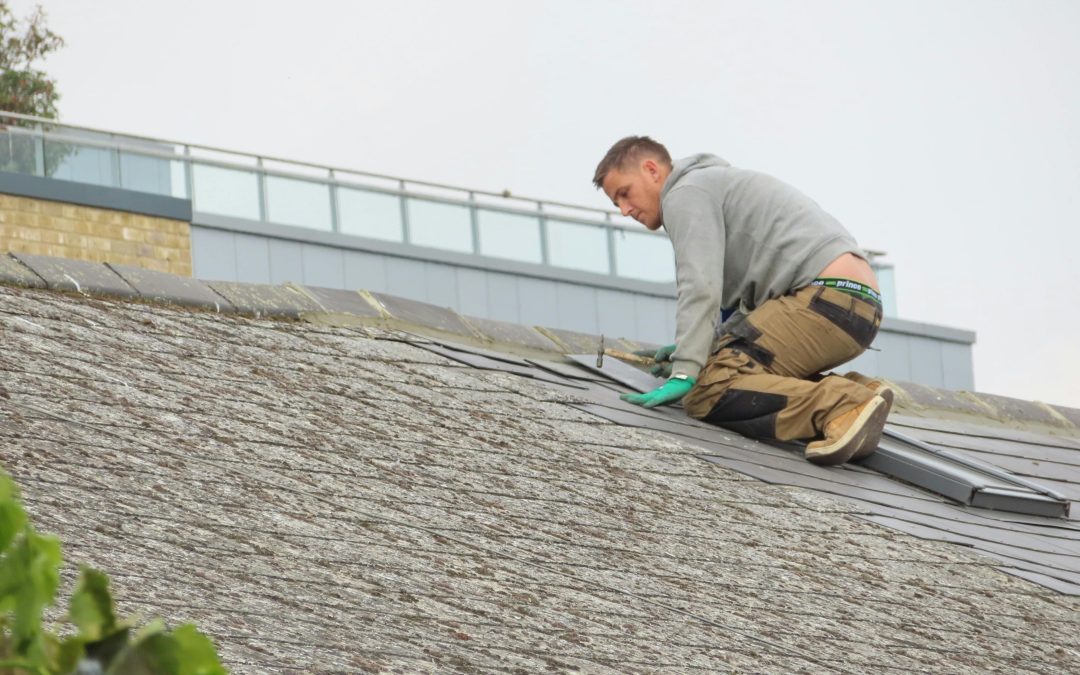
A strong, well-maintained roof is one of the most important parts of any home. It protects you from weather, adds curb appeal, and increases property value. But have you ever wondered what goes into professional roofing work? Understanding how roofing services work helps homeowners make informed decisions, whether they need a repair, replacement, or routine maintenance.
Whether you are experiencing a leak, planning a new roof installation, or just curious about the process, knowing the steps involved will give you confidence and ensure your home stays safe.
Initial Inspection and Assessment
The first step in how roofing services work is a thorough inspection. A professional roofer examines your roof to determine its condition, looking for:
- Missing or damaged shingles
- Leaks or water damage
- Signs of wear and tear
- Structural issues in the underlying deck
- Age and overall lifespan of the roof
According to the National Roofing Contractors Association, regular inspections every 2 to 3 years can extend the life of your roof and prevent costly repairs. A detailed assessment helps roofers provide accurate recommendations and estimates.
Estimating Costs and Planning
Once the inspection is complete, roofers create an estimate. This usually includes:
- Material costs based on type and quality of shingles or metal panels
- Labor and installation fees
- Disposal of old roofing materials
- Permits and regulatory compliance if required
Planning also involves scheduling the work around weather conditions and homeowner availability. Clear communication at this stage is critical for understanding how roofing services work efficiently and within budget.
Choosing Materials
Different roofs require different materials, and each choice affects the installation process. Common options include:
- Asphalt shingles: Affordable, durable, and widely used
- Metal roofing: Long-lasting, energy-efficient, and resistant to fire
- Tile or slate: High-end, attractive, and durable but heavier
- Flat roofing materials: Suitable for commercial or modern homes
The material selection influences the cost, installation time, and maintenance needs. Professional roofers guide homeowners in picking the best option for their budget, climate, and style.
Preparing the Site
Before installation or repair begins, the work area must be prepared. This includes:
- Clearing debris and trimming nearby trees
- Protecting landscaping and property around the home
- Setting up scaffolding or ladders for safe access
Preparation ensures the crew can work efficiently and reduces the risk of damage or accidents. This step is a critical part of how roofing services work safely and effectively.
Roof Removal or Repair
For major repairs or replacements, old roofing materials are removed first. Roofers carefully:
- Strip damaged shingles, tiles, or metal panels
- Remove nails, underlayment, and flashing if necessary
- Inspect the roof deck for rot or structural damage
Minor repairs may skip full removal and focus only on affected areas, such as patching leaks or replacing individual shingles. Correct preparation ensures the new materials adhere properly and extend the roof’s life.
Installing New Roofing Materials
The installation process varies depending on the material. Common steps include:
- Laying down underlayment for waterproofing
- Installing shingles, tiles, or metal panels according to manufacturer guidelines
- Securing flashing around chimneys, vents, and edges
- Sealing joints and edges to prevent leaks
Precision and attention to detail are essential. Even small mistakes in alignment or fastening can lead to leaks or premature wear. This stage is where the technical side of how roofing services work becomes most visible.
Ventilation and Insulation Considerations
Proper roof ventilation helps prevent moisture buildup and extends the life of roofing materials. Roofers may install ridge vents, soffit vents, or other systems to improve airflow.
Insulation is also checked or updated during remodeling or replacement projects. Proper insulation reduces energy costs and keeps your home more comfortable year-round. These adjustments are often integrated into professional roofing services to enhance overall performance.
Clean-Up and Inspection
After the roof is installed, the crew cleans up the site. This includes:
- Removing nails, debris, and old materials
- Inspecting the roof for quality and completeness
- Ensuring gutters and downspouts are clear
A final inspection confirms that the work meets safety standards, manufacturer guidelines, and homeowner expectations. Professional roofers typically provide a warranty, giving additional peace of mind.
Maintenance and Repairs
A new or repaired roof is only as good as its maintenance. Routine care helps prevent future problems and extends the roof’s lifespan. Maintenance tips include:
- Regularly cleaning gutters and downspouts
- Inspecting for damage after storms
- Addressing minor repairs promptly
- Scheduling professional inspections every few years
Understanding how roofing services work includes recognizing that ongoing maintenance is essential for long-term protection and cost savings.
Emergency Roofing Services
Sometimes unexpected damage occurs due to storms, falling trees, or leaks. Many roofing companies provide emergency services, which typically involve:
- Temporary repairs to prevent further damage
- Quick inspection and assessment
- Scheduling permanent repair or replacement
Emergency response is part of comprehensive roofing services, ensuring homeowners can act quickly and minimize damage.
Final Thoughts
Understanding how roofing services work helps homeowners make smarter decisions and ensures roofs remain strong and functional for years. From initial inspections and planning to installation, finishing, and ongoing maintenance, every step matters.
Hiring experienced professionals, choosing the right materials, and maintaining your roof are the keys to protecting your home, improving energy efficiency, and avoiding costly repairs. When done correctly, roofing services provide long-term safety, comfort, and peace of mind.