
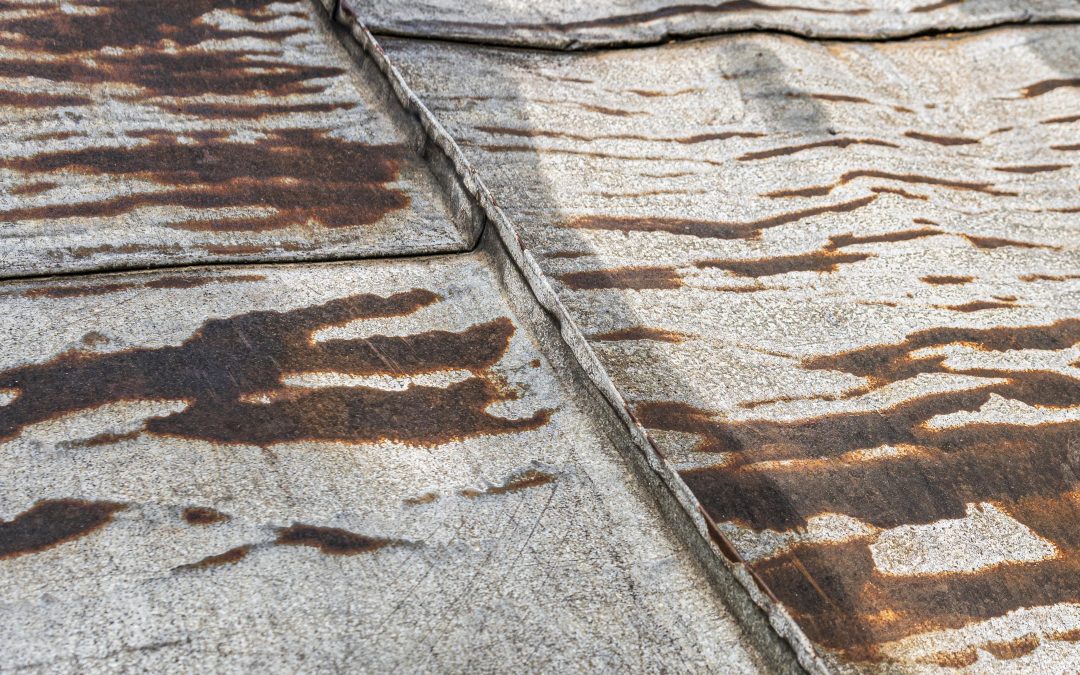
Ever spotted a dark stain on your ceiling or heard a suspicious drip during a rainstorm? You’re not alone. Fixing minor roof leaks might not seem urgent at first, but left untreated, even the smallest leak can spiral into costly damage—fast.
In fact, the National Roofing Contractors Association reports that leaks are one of the most common causes of roof-related insurance claims in the U.S. But the good news? If you catch and address a leak early, you can avoid big headaches and save a lot of money.
Let’s break down what causes minor roof leaks, how to identify them, and the best steps to fix them before they turn into major problems.
What Causes Minor Roof Leaks?
A lot can go wrong up there on your roof, even if it looks perfectly fine from the ground. Some of the most common causes of minor roof leaks include:
- Worn or cracked shingles
- Clogged gutters that cause water backup
- Damaged flashing around chimneys or vents
- Improperly sealed skylights
- Missing or lifted nails
- Ice dams in colder climates
These issues may start small—like a loose nail or hairline crack—but rain, snow, and sun exposure can make them worse over time.
Signs You Might Have a Leak
Not all leaks announce themselves with dripping water. As a homeowner, you’ll want to watch for subtle clues, such as:
- Dark or damp spots on ceilings or walls
- Peeling paint or bubbling drywall
- A musty smell in the attic
- Mold or mildew near the roofline
- Water stains around skylights or chimneys
If you notice any of these, it’s time to take action.
Step-by-Step Guide to Fixing Minor Roof Leaks
Before you start climbing ladders, always put safety first. If the roof is steep, slick, or high, it’s best to leave the job to a professional. That said, here’s a guide for confident DIYers ready to tackle basic leak repairs.
Step 1: Locate the Source
Start by inspecting your attic or crawlspace with a flashlight. Look for wet wood, mold, or dripping water. Trace the moisture trail back to the leak’s source.
Pro tip: water can travel sideways before it drips, so the source might be a few feet away from the visible stain.
Step 2: Inspect the Roof Surface
Once the weather is dry and it’s safe to get on the roof, look for:
- Loose or missing shingles
- Rusted flashing
- Cracks or gaps near vents or skylights
Bring roofing cement, replacement shingles, nails, and a sealant for spot repairs.
Step 3: Replace or Seal Problem Areas
Here’s how to deal with common issues:
- Shingle Damage: Pry up the damaged shingle and replace it with a new one. Nail it down and seal the edges with roofing cement.
- Flashing Issues: Remove old caulk or rusted flashing, then apply new flashing and sealant.
- Skylight Leaks: Clean the area and apply waterproof sealant around the edges.
Step 4: Clean Your Gutters
Believe it or not, clogged gutters are often the hidden villain behind roof leaks. Leaves and debris cause water to back up under shingles. Clear out the gutters and downspouts to keep water flowing off the roof properly.
Step 5: Check and Reinforce From Inside
Once the repair is complete, return to your attic and reinforce insulation and vapor barriers if they got wet. Use a dehumidifier or fans to dry the area thoroughly and prevent mold growth.
When to Call a Professional
Fixing minor roof leaks can be manageable, but some signs mean it’s time to call in the pros:
- You can’t safely access the roof
- The leak persists after repairs
- The roof is sagging or has widespread damage
- Mold is spreading through insulation or walls
At High Impact Roofing Services, our team is trained to spot and fix leaks quickly and safely. We’ll assess the problem, give you clear options, and prevent future issues from popping up.
Why Fast Fixes Matter
Still on the fence about jumping into roof repair mode? Here’s why fixing minor roof leaks quickly makes a huge difference:
- Prevents water damage to insulation, drywall, and electrical systems
- Stops mold and mildew growth before it starts
- Preserves your roof’s structural integrity
- Avoids expensive emergency repairs later
- Maintains your home’s resale value
In other words, early action now means fewer worries later.
Final Thoughts: Don’t Let a Drip Become a Disaster
So, why wait? Fixing minor roof leaks as soon as they show up can save your roof, your budget, and your peace of mind. Even if the issue seems small, addressing it promptly ensures your home stays dry and secure.
Not sure where to start? Contact the team at High Impact Roofing Services—we’re always here to help protect what matters most, starting from the top down.