
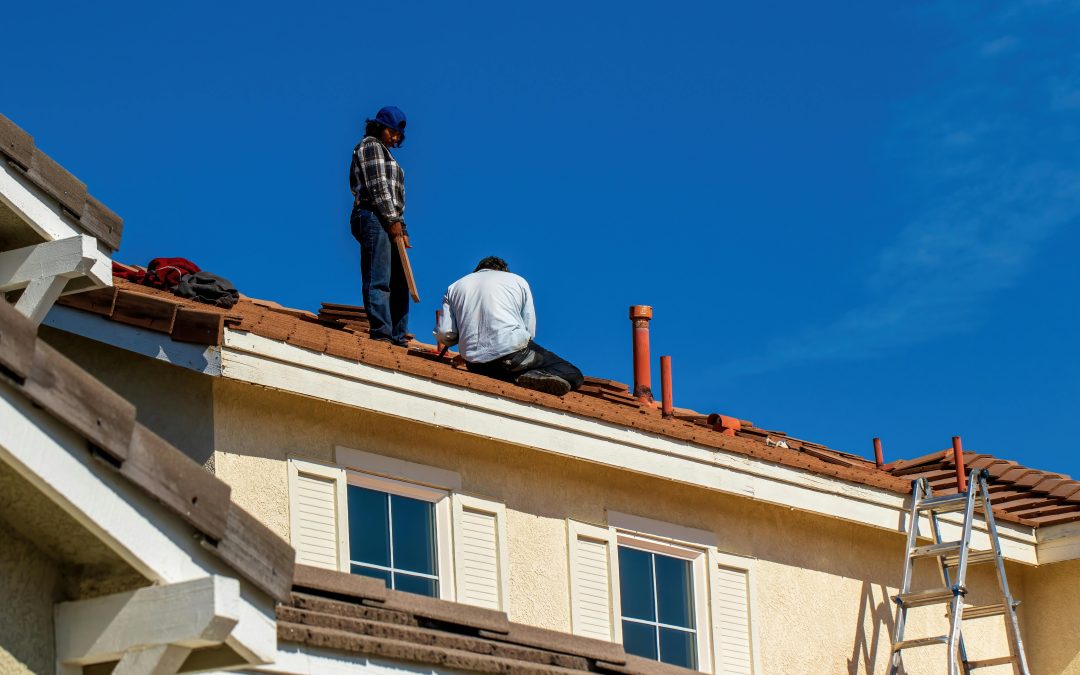
When it comes to your home, your roof is the first line of defense against the elements. But what happens when that line of defense is suddenly compromised? Whether it’s a fallen tree limb, heavy hail, strong winds, or a surprise leak during a storm, emergency roof repair becomes your top priority.
In these situations, time is critical — and knowing what to do in the moment can prevent further damage, save you money, and keep your family safe. In this article, we’ll walk you through what to do in a roofing emergency, how to spot the signs of serious damage, and when to call in professionals like High Impact Roofing Services to take over.
Step 1: Stay Calm and Assess the Situation
Roof damage can be stressful, especially if it’s raining inside your home or pieces of your ceiling start falling. But the first thing to remember is to stay calm. Panicking won’t help, and your safety — and your family’s — always comes first.
Start by checking the inside of your home for signs of leaks or structural damage. Do not go outside during a storm or try to climb onto the roof — it’s extremely dangerous, especially on wet or unstable surfaces.
Instead, take note of:
- Water dripping or pooling indoors
- Sagging ceiling or water stains
- Strange sounds from the roof
- Obvious daylight showing through attic or ceiling
Step 2: Minimize Interior Damage
If water is leaking inside, use buckets, towels, and tarps to contain the damage. Move furniture or valuables out of the way, and use plastic sheeting if needed to protect electronics or flooring.
If the leak is substantial, you can poke a small hole in the ceiling to let the water drain in a controlled way — this can prevent the ceiling from sagging or collapsing under the weight.
Step 3: Document the Damage for Insurance
This step is crucial. Take photos and videos of all the damage — inside and out — as soon as it’s safe to do so. These visuals will be valuable when you file a claim with your homeowner’s insurance company.
Be sure to include:
- Close-ups of broken shingles, roof holes, or debris
- Water damage indoors (floors, walls, ceilings)
- Damaged personal property (if applicable)
Also, write down the time of the incident, the weather conditions, and any relevant details (like a tree that fell on the roof or hail that broke a skylight).
Step 4: Call a Trusted Roofing Contractor Immediately
This is where High Impact Roofing Services comes in.
When you’re facing a roofing emergency, you need help fast — not in three days. We offer emergency roof repair services designed to respond quickly and minimize further structural and interior damage.
We handle:
- Storm damage
- Leaking roofs
- Torn or missing shingles
- Fallen branches or debris
- Holes or punctures in roofing
- Gutter and flashing damage
Whether it’s a temporary tarp to stop the leak or a full structural repair, we’re ready to help 24/7.
Step 5: Avoid DIY Temporary Fixes
We get it — you might be tempted to climb up and slap on a tarp or nail down a shingle yourself. But unless you’re experienced and the weather is completely clear, don’t risk it. Emergency roof repairs are often done in unstable conditions and can be dangerous without the right tools or safety gear.
Instead, call a licensed roofing professional who has the experience, training, and insurance to handle the job properly.
Step 6: Understand Your Insurance Coverage
After the emergency work is complete, you’ll need to file a claim with your homeowner’s insurance provider (if applicable). Your contractor can often help you navigate this process and provide the necessary documentation for a smooth claims process.
Make sure to ask:
- What does your policy cover for storm or water damage?
- What is your deductible?
- Will they cover a full replacement or just repairs?
Having a roofing expert who knows how to work with insurance companies can make a big difference in what’s approved — and how quickly it happens.
How to Prevent Future Roofing Emergencies
While not every roofing emergency is preventable, many are caused by lack of maintenance or unnoticed wear and tear. Here are a few ways to reduce your risk:
- Schedule annual roof inspections
- Trim overhanging tree branches
- Keep your gutters clean
- Repair loose shingles before storm season
- Replace aging roofing before it fails
Preventive care is much cheaper than an emergency repair — and far less stressful, too.
Final Thoughts
Dealing with unexpected roof damage is never fun — but it doesn’t have to be a nightmare. Knowing what to do in the first few hours after a roofing emergency can make all the difference in saving your home, your belongings, and your peace of mind.
If you’re in need of emergency roof repair, trust the local experts at High Impact Roofing Services. We respond fast, work with your insurance, and deliver long-lasting solutions — no patchy quick fixes, just solid protection you can count on.