
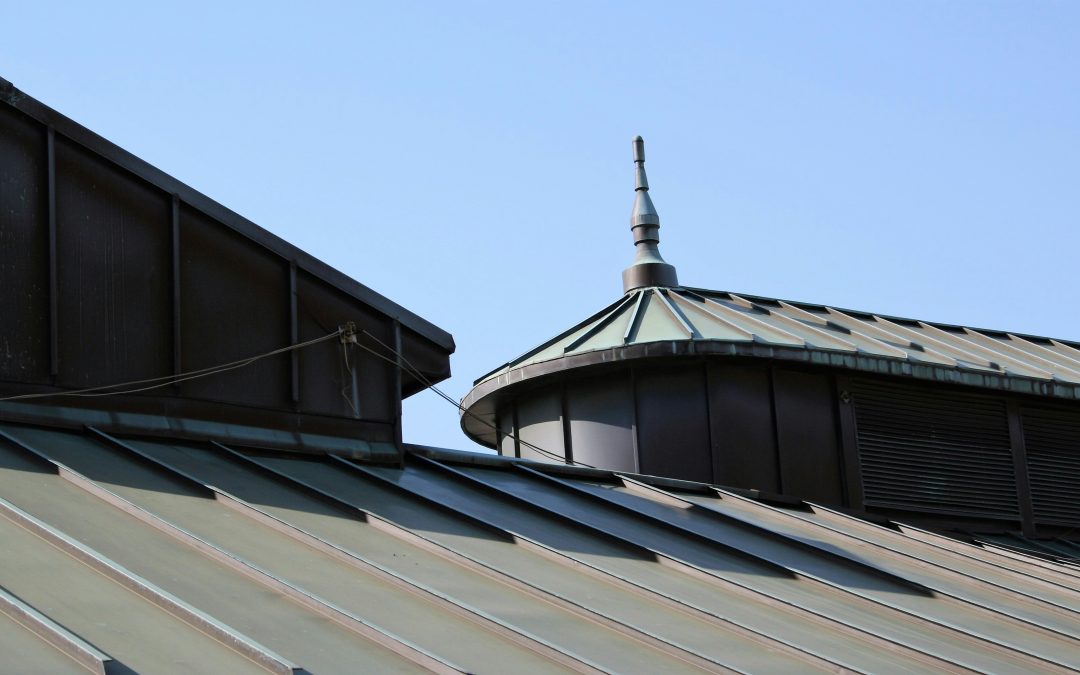
Have you noticed dark streaks or uneven patches spreading across your roof? That is often the result of discoloration of roof shingles. It may start small, with faint stains or dull spots, but over time those areas can become more visible. While it may not always signal a major roof problem, it does tell you that something is affecting your shingles and it is worth understanding why.
What Is Discoloration of Roof Shingles
Discoloration happens when the surface of your shingles changes in appearance because of algae, weathering, or materials reacting over time. You might see dark brown or black streaks, rusty marks, or faded grayish spots. Sometimes it looks patchy, while other times it appears as a consistent stain on one side of the roof. It is most common on older asphalt shingles but can affect metal or tile roofs as well.
Common Causes of Shingle Discoloration
Algae and Moss Growth
One of the most frequent causes of roof staining is a type of bacteria called Gloeocapsa magma. It thrives in humid, shaded conditions and feeds on the limestone filler found in many shingles. As it spreads, it leaves dark streaks that can make the roof look dirty or aged. Moss and lichen also add green or brown layers that trap moisture and speed up deterioration.
Sun and Weather Exposure
Constant sunlight breaks down the pigments and oils in shingles. The side of your roof that faces direct sunlight often fades faster than the shaded side. Over years of exposure to UV rays, rain, and wind, the original color dulls and loses its even tone.
Moisture and Poor Ventilation
Trapped moisture under shingles or in poorly ventilated attics encourages mold and mildew growth. These fungi appear as dark blotches or grayish discoloration. In addition, heat buildup in the attic can dry out shingles unevenly, worsening the contrast between old and newer sections.
Rust from Metal Fixtures
If you have metal vents, flashing, or chimney caps, they can rust over time. Rainwater running off these surfaces may carry rust particles down the roof, leaving reddish streaks behind.
Aging and Granule Loss
As shingles age, they naturally lose their protective granules. Those small mineral particles protect against UV light and weather. When they wear away, the underlayer becomes exposed and discolored. This aging process is normal but makes roofs appear older and uneven in color.
Debris and Air Pollution
Leaves, bird droppings, dust, or pollution can settle on the roof and leave stains. When organic material stays damp, it encourages algae and mold to spread faster. Keeping the roof clear can make a big difference in preventing discoloration.
Signs That It May Be a Bigger Problem
Some color changes are only cosmetic, but others point to deeper issues. You should look closer if:
- Shingles are curling, cracked, or lifting.
- The discolored areas are spreading quickly.
- You notice leaks or damp spots in the attic.
- The roof looks uneven in texture as well as color.
If any of these apply, call a professional roofer for an inspection to make sure the discoloration is not covering up damage.
How to Fix Roof Shingle Discoloration
Clean with Care
You can gently clean most roofs using a mild mixture of water and bleach or a specialized roof cleaning solution. Spray it evenly, let it sit for about 15 minutes, and then rinse with low-pressure water. Avoid using power washers since they can strip granules and shorten your roof’s life.
Improve Airflow and Drainage
Make sure your attic has proper ventilation so hot, moist air can escape. Clean gutters regularly so water does not pool near edges or drip down walls. Good airflow and drainage help prevent mold and algae from returning.
Trim Overhanging Branches
Shade keeps areas of your roof damp longer after rain, which encourages algae growth. Trimming nearby trees allows sunlight and air to reach those sections, keeping the shingles dry and clean.
Replace or Repair Damaged Shingles
If discoloration appears along with physical damage, it may be time to replace that section. New shingles will look brighter and perform better. Try to match the color as closely as possible for a consistent appearance.
Add Protective Strips
Installing copper or zinc strips near the roof ridge can help prevent algae. When it rains, a small amount of metal washes down, discouraging bacterial and moss growth naturally.
Real Example of a Roof Recovery
A homeowner in Florida noticed black streaks forming on the north side of their roof. After trimming nearby trees, cleaning the surface with a gentle bleach mix, and adding zinc strips, the discoloration faded within a few weeks. Two years later, the roof still looks clean and even in tone. That simple maintenance saved them from an unnecessary replacement.
Final Thoughts
The discoloration of roof shingles may look concerning, but most cases are manageable with the right care. The key is to identify the cause early and act before it spreads. Regular cleaning, trimming, and good ventilation go a long way toward keeping your roof looking fresh and strong. If the stains persist or come with visible damage, get professional help to ensure your home stays protected and beautiful for years to come.